
Tiny House Regulations: SC vs. VA ADU Law Comparison
Explore tiny house regulations in South Carolina and Virginia's ADU law, comparing their impacts on tiny home living and construction.
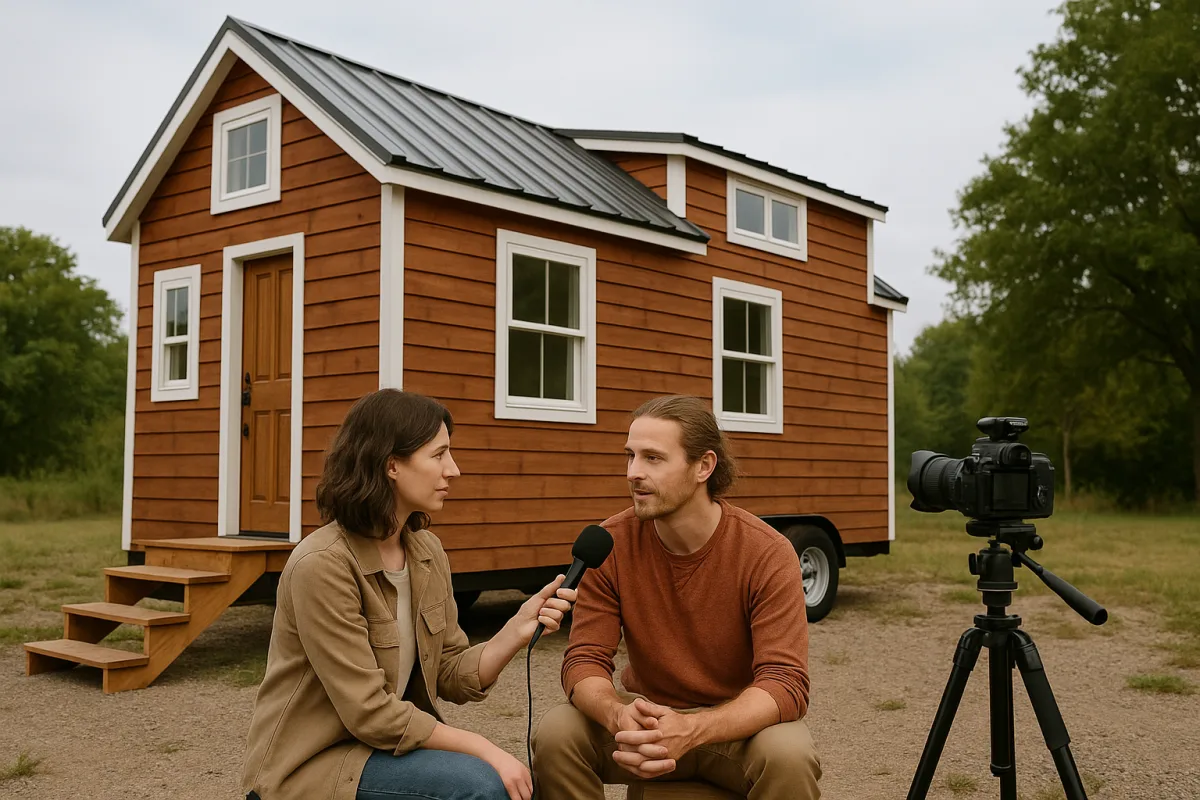
Tiny House Regulations: A Head-to-Head Comparison of South Carolina and Virginia's New ADU Law
As the tiny house movement gains momentum across the United States, understanding the regulatory landscape becomes crucial for prospective tiny home dwellers. Two noteworthy developments have emerged recently: the evolving regulations in South Carolina regarding tiny homes and Virginia's new law facilitating accessory dwelling units (ADUs). This article will compare these two options head-to-head, examining their implications for tiny home construction and living.
The Choice: South Carolina Tiny Home Communities vs. Virginia's ADU Law
The primary decision at hand is whether to pursue a tiny home in a designated community in South Carolina or to build an ADU in Virginia. Each option presents unique advantages and challenges that can significantly affect your living experience and financial investment.
1. Regulatory Framework and Local Control
South Carolina Tiny Home Communities:
In South Carolina, tiny homes are primarily governed by the International Residential Code (IRC) and Appendix Q, which provides guidelines for tiny house construction. However, local jurisdictions wield considerable power to impose their own zoning and building standards. For example, while Horry County permits tiny homes under 750 square feet in mixed residential districts, Pickens County recently implemented a six-month moratorium on new multi-family developments, including tiny homes, due to infrastructure concerns (Tiny House Talk, 2026; Independent Research Brief).
Virginia's ADU Law:
Virginia's Senate Bill 531, effective July 1, 2027, aims to streamline the process for building ADUs in single-family residential zones. The law mandates that localities allow ADUs by right, eliminating the need for discretionary approval and public hearings. This change is designed to make it easier for homeowners to add a second dwelling unit, which can be a tiny house (Tiny House Talk, 2026). However, existing local ADU ordinances with restrictive requirements could still pose challenges, and tiny homes on wheels remain classified as RVs, complicating their approval as permanent dwellings (Independent Research Brief).
Verdict:
If you prefer a straightforward path with fewer hurdles, Virginia's ADU law may be more advantageous, particularly since it provides a clear framework for obtaining approval. On the other hand, South Carolina's regulatory environment may be more restrictive due to local variations, making it essential to consult local zoning departments before proceeding.
2. Cost Implications
South Carolina Tiny Home Communities:
In the Lakewalk Tiny Home Community in Greer, South Carolina, a 285-square-foot tiny home is listed for $84,500, with a monthly lot rent of $500 that includes utilities (Tiny House Talk, 2026). While this model offers a complete living experience, it's important to note that additional costs, such as property taxes and potentially higher fees for custom builds, can add up. The community's amenities, including a dog park and gathering spaces, enhance the living experience but may not justify the overall costs for everyone.
Virginia's ADU Law:
Building an ADU in Virginia can vary widely in cost, depending on the design and construction choices. For instance, factory-made units like the Microhaus by Haus.me start around $35,000, but this price typically excludes land and utility connections (Tiny House Talk, 2026). Additionally, since Virginia's new law caps permit fees at $500, this can help mitigate the overall cost of obtaining necessary approvals.
Verdict:
While both options can be costly, Virginia's ADU law offers a more predictable cost structure with capped permit fees, making budgeting more manageable. South Carolina's community-based model may seem appealing due to its amenities, but the upfront costs and ongoing lot rent could prove burdensome over time.
3. Flexibility and Use
South Carolina Tiny Home Communities:
Tiny homes in communities like Lakewalk come with restrictions; for instance, units typically cannot be rented out as vacation properties or used for Airbnb, which limits income-generating potential (Tiny House Talk, 2026). However, they offer a cohesive community environment and shared amenities that many find appealing.
Virginia's ADU Law:
Conversely, Virginia's ADU law opens up opportunities for homeowners to generate rental income, as the new legislation allows for market-rate rentals in ADUs. This flexibility can turn an ADU into a valuable asset, particularly if the homeowner is not living in the unit full-time. However, the law does not yet permit tiny homes on wheels to be classified as permanent structures, which may limit options for those looking to live in a mobile tiny home (Independent Research Brief).
Verdict:
If generating income from your property is a priority, Virginia's ADU law is a clear winner, as it allows for rental opportunities without the restrictions imposed by community living in South Carolina. However, if you value community engagement and shared resources, a tiny home community may better suit your lifestyle.
4. Community and Lifestyle
South Carolina Tiny Home Communities:
Living in a dedicated tiny home community like Lakewalk means more than just a house; it offers a lifestyle enriched by community engagement, outdoor activities, and shared amenities. Residents can enjoy the benefits of a communal living environment, which can be invaluable for social interaction and support (Tiny House Talk, 2026).
Virginia's ADU Law:
While building an ADU may not provide the same sense of community, it does allow for the integration of a tiny home into an existing neighborhood. This can create a unique living situation that retains the character of the surrounding community while providing additional housing options. However, the lack of built-in community amenities may necessitate more effort to foster connections with neighbors.
Verdict:
The choice between community living and a more isolated ADU experience ultimately depends on personal preferences. If you thrive in a community-oriented environment, South Carolina's tiny home communities are likely to be more appealing. However, if you prefer the autonomy of having your own space on a residential lot, Virginia's ADU law provides a practical alternative.
Conclusion: The Path Forward
Both South Carolina's tiny home communities and Virginia's newly established ADU law present viable pathways for those interested in downsizing or adopting a more minimalist lifestyle. The choice ultimately depends on your priorities, be it regulatory ease, financial considerations, potential for income, or community engagement.
Virginia's ADU law is particularly promising for those seeking flexibility and the ability to generate rental income, while South Carolina's community-focused approach offers a supportive environment for tiny home living. Before making a decision, it's essential to thoroughly research local regulations and assess your own lifestyle preferences to find the best fit for your tiny living aspirations.
Frequently Asked Questions
What are the tiny house regulations in South Carolina?
In South Carolina, tiny homes are primarily governed by the International Residential Code (IRC) and Appendix Q, but local jurisdictions have significant authority to set their own zoning and building standards. For instance, Horry County allows tiny homes under 750 square feet in mixed residential districts, while Pickens County has implemented a moratorium on new multi-family developments, including tiny homes, due to infrastructure concerns.
Can I build a tiny house in South Carolina?
Yes, you can build a tiny house in South Carolina, but it is essential to consult local zoning departments first, as regulations vary significantly by county. Some areas, like Dorchester County, permit tiny homes on permanent foundations in any zoning district that allows such dwellings, while others may have restrictions or moratoriums in place.
How does Virginia's ADU law impact tiny homes?
Virginia's ADU law, effective July 1, 2027, streamlines the process for building accessory dwelling units (ADUs) in single-family residential zones, allowing homeowners to add a second dwelling unit, which can be a tiny house. However, tiny homes on wheels are still classified as RVs, complicating their approval as permanent dwellings.
What are the building codes for tiny houses in Virginia?
Virginia's building codes for tiny houses are influenced by local ordinances, especially since tiny homes on wheels are classified as RVs. The new ADU law aims to facilitate the construction of ADUs, but existing local regulations may still impose restrictions that affect tiny home permitting.
Sources
This Tiny House Is for Sale in an Actual Community: Lakewalk in Greer, SC, Tiny House Talk
Virginia’s New ADU Law: Backyard Tiny Houses Get Easier to Build in 2027, Tiny House Talk
Are backyard homes the answer to Charlotte’s housing shortage and high costs?, Charlotte Observer
South Carolina Tiny Home Zoning Laws 2026 | Luxe Box Properties
RV, Manufactured Home, and Tiny Home Policies | Dorchester County, SC website
Tiny Home Financing 2026: How to Get a Mortgage for a Tiny House
Can I finance a tiny home with a personal loan? · Get Advance Loan
Lake Walk Tiny Home Community - Greer Review - Great Lakes Tiny Home
Lake Walk Tiny Home Community | 2901-2983 N Hwy 101, Greer, SC 29651 | MHBO.com
Virginia eases backyard tiny house rules, caps permit fees statewide | Prism News
VACo Opposes Legislation to Make ADUs a By-Right Use - Virginia Association of Counties
Virginia’s New Law Makes It Top Spot for Tiny Home Retirees - Parade
Virginia Just Legalized Tiny Homes and Homeowners Are Racing to Build Before the 2027 Deadline Hits
Related Articles
Building Tiny Homes on Raw Land: Challenges and Insights
Explore key challenges and insights for building tiny homes on raw land, including utilities, easements, permits, and budgeting site preparation.
Gooseneck Road-Legal Tiny Houses: Design and Legal Insights
Explore gooseneck road-legal tiny houses, including design tips, towing rules, and zoning considerations for living on wheels.
Tiny Home Financing and Placement Costs Explained
Learn about tiny home financing options and the true costs of placing a tiny home, including zoning, delivery, and site preparation fees.
Prefab Backyard ADUs: Costs, Permits, and Installation Guide
Learn about prefab backyard ADUs, including costs, permits, installation, and financing to plan your small backyard housing project effectively.