DIY Affordable Tiny Homes: Build Your Own Budget-Friendly
Explore DIY affordable tiny homes with tips on materials, costs, and designs for building your own budget-friendly living space.
Affordable Tiny Homes: Exploring Your Options
As the tiny house movement continues to gain momentum, many are drawn to its promise of simplicity, sustainability, and affordability. However, when it comes to actually purchasing or building a tiny home, budget considerations can quickly complicate decisions. With various options available, it can be challenging to determine which affordable tiny home best suits your lifestyle and financial situation. This article will compare three distinct types of affordable tiny homes, examining their price points, sizes, layouts, and notable trade-offs.
1. Budget-Friendly Tiny House on Wheels
One of the most accessible options in the tiny home market is the traditional tiny house on wheels (THOW). A recent example of this can be found in Cincinnati, Ohio, where a recently renovated tiny house sold for $29,000. This model, which measures approximately 399 square feet, showcases the flexibility and creativity of tiny living.
Layout and Features:
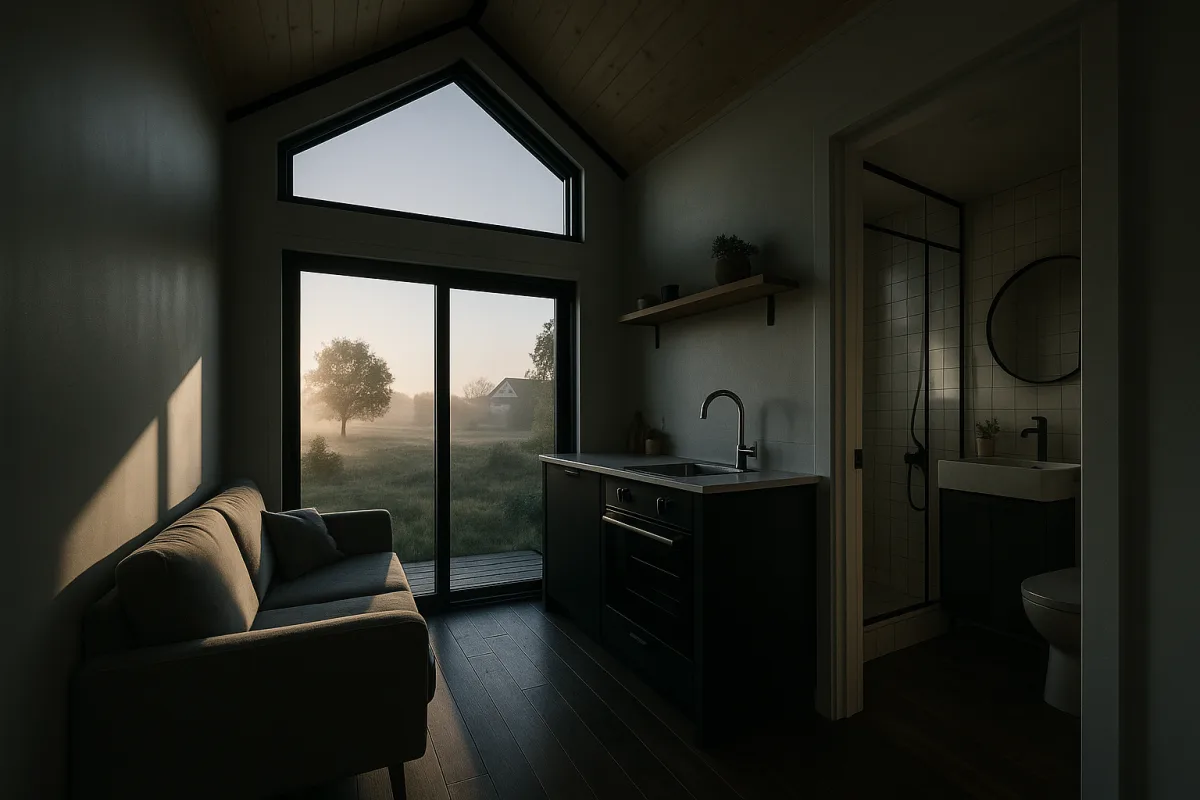
- The home features an open living area with high ceilings, which enhances the sense of space.
- A compact kitchen equipped with essential appliances, including a mini oven and a cozy dining nook, adds functionality.
- The bathroom is surprisingly spacious, boasting a tiled shower and clever storage solutions, which is often a challenge in smaller homes.
Trade-offs:
- While the price tag is attractive, it's important to note that this figure does not include land, utilities, or transport, which can significantly raise the overall cost.
- Like many THOWs, issues like towing limitations mean you may need to consider local zoning laws that can affect where you can park or live in your tiny home.
This option is ideal for budget-conscious individuals looking for a versatile living space that can be moved as needed. However, prospective buyers must be prepared for potential additional costs and logistical challenges.
2. DIY Tiny House Built from Scrap Materials
Another compelling option is the DIY tiny house, which can be a cost-effective alternative for those willing to invest time and effort into building their own space. For example, a self-builder in Oregon created a charming 20-foot long tiny house primarily from scrap wood.
Cost and Size:
- While the exact cost of this DIY project wasn't specified, self-built tiny homes typically range between $10,000 to $30,000, depending on materials sourced and labor invested.
Layout and Features:
- This tiny house features an innovative layout, including a cozy nook for relaxation and a dedicated dining area that doubles as a workspace.
- The use of scrap materials not only keeps costs down but also lends a unique character to the build.
Trade-offs:
- The biggest challenge with a DIY build is the time and skill required, especially for those who may not have previous construction experience.
- Additionally, this option often lacks the polish and professionalism of a manufactured unit, which may not appeal to everyone.
This DIY approach is perfect for hands-on individuals who want to customize their living space and have the patience to learn through the building process. However, it may not be suitable for those who prefer a more straightforward, ready-to-move-in option.
3. Upcycled Refrigerated Semi-Trailer Homes
For those seeking a unique blend of affordability and durability, consider a new trend in the Czech Republic. A family company is converting retired refrigerated semi-trailers into tiny homes, starting at around $35,000.
Size and Layout:
- The base model offers approximately 344 square feet of living space, featuring a robust insulated shell that can withstand various climates. The design is versatile, allowing for customization depending on the owner's preferences.
Features:
- The structure comes pre-built with durable insulation, which is excellent for energy efficiency, keeping heating and cooling costs low.
- Interiors can be tailored to suit various needs, whether as a cozy studio, guest suite, or multipurpose space.
Trade-offs:
- While the base price is compelling, it doesn’t include additional costs like customization, delivery, or permits.
- Further, the mobile nature of these homes means they may not meet local zoning regulations in all areas, posing challenges for potential buyers.
This option is well-suited for those looking for a durable, relocatable home that can withstand the elements while offering a sizable living area. However, as with many innovative housing solutions, buyers should be diligent about understanding local regulations before making a commitment.
Conclusion: Choosing the Right Tiny Home for Your Needs
When deciding on an affordable tiny home, consider your budget, lifestyle, and how much work you’re willing to put in. The traditional tiny house on wheels offers versatility and a compact lifestyle but may come with additional costs for land and utilities. The DIY route can be budget-friendly and customizable but requires significant time and effort. Meanwhile, upcycled semi-trailer homes provide a unique, mobile solution with built-in energy efficiency but also come with their own set of challenges regarding zoning and customization costs.
Ultimately, the right choice depends on your personal circumstances, preferences, and financial capabilities. Whatever path you choose, the tiny house movement continues to offer innovative ways to downsize and simplify life without sacrificing comfort.
Frequently Asked Questions
How can I build a DIY affordable tiny home?
Building a DIY affordable tiny home involves sourcing materials, often from scrap, and investing time and effort into the construction process. This approach allows for customization and can significantly reduce costs, typically ranging from $10,000 to $30,000 depending on the materials and labor involved.
What materials are best for a budget tiny house?
Using scrap materials is a common strategy for budget tiny houses, as it helps keep costs down while adding unique character to the build. The choice of materials can greatly influence the overall budget and aesthetic of the tiny home.
What are the costs associated with building a tiny home myself?
The costs of building a tiny home yourself generally range from $10,000 to $30,000, depending on the materials sourced and the amount of labor you can contribute. It's important to consider additional expenses such as permits, utilities, and land if applicable.
Sources
She Found This Tiny House for $29k and I Love it! Full Tour!, Levi Kelly Tours
She Built Her Own Tiny House Out of Scrap Wood | Perfectly Imperfect, Tiny House Expedition
They Turn Old Refrigerated Semi-Trailers Into 344 Sq Ft Tiny Homes in the Czech Republic, Tiny House Talk
Tiny Homes on Wheels, Parking, Financing & RVIA Certification Explained (2026)
Tiny Home Financing 2026: How to Get a Mortgage for a Tiny House
California Tiny Home & ADU Zoning Laws 2026 | Luxe Box Properties
Massachusetts Tiny Home & ADU Zoning Laws 2026 | Luxe Box Properties
Tiny Home Monthly Rent Cost in 2026: Average Prices, Hidden Fees & What to Expect - tinyhousel.com
Average Cost of Living Off the Grid 2026: Full Breakdown & Monthly Expenses - tinyhousel.com
Tiny House Resale Value in 2026 (What You Actually Get Back) | Little Houses For Sale
Do Tiny Homes Depreciate or Hold Their Value? - LegalClarity
Why Tiny Home Prices Are DROPPING While Demand Explodes, 2026 Market Data Breakdown
Tiny House Market Size and Industry Statistics 2026 - tinyhousel.com
Land and permits often cost more than the tiny house itself in 2026 | Prism News
The Biggest Challenges Expected by Home Builders in 2026 | NAHB
Common Mistakes to Avoid in First-Time Tiny Home Construction, TinyHousePlans.com
Watch Affordable Tiny Homes on Youtube
Also from the sources
Related Articles
Affordable Off-Grid Tiny Homes
Explore affordable off-grid tiny homes with DIY builds, costs, tech, and real examples for practical, budget-friendly living in 2026.
Affordable Tiny Homes: Comparing DIY and THOW Options
Explore affordable tiny homes with a comparison of DIY builds and professionally built THOWs, focusing on cost, quality, and livability.
Creative Tiny House Builds and Personal Stories
Explore creative tiny house builds and personal stories, including shed conversions, scrap material use, costs, and legal tips for self-built homes.
DIY Tiny Home Builds: A Practical Budget Guide
Explore our guide on DIY tiny home builds, covering budgeting, permits, and practical tips for building on a budget.