Affordable Tiny Homes: Comparing DIY and THOW Options
Explore affordable tiny homes with a comparison of DIY builds and professionally built THOWs, focusing on cost, quality, and livability.
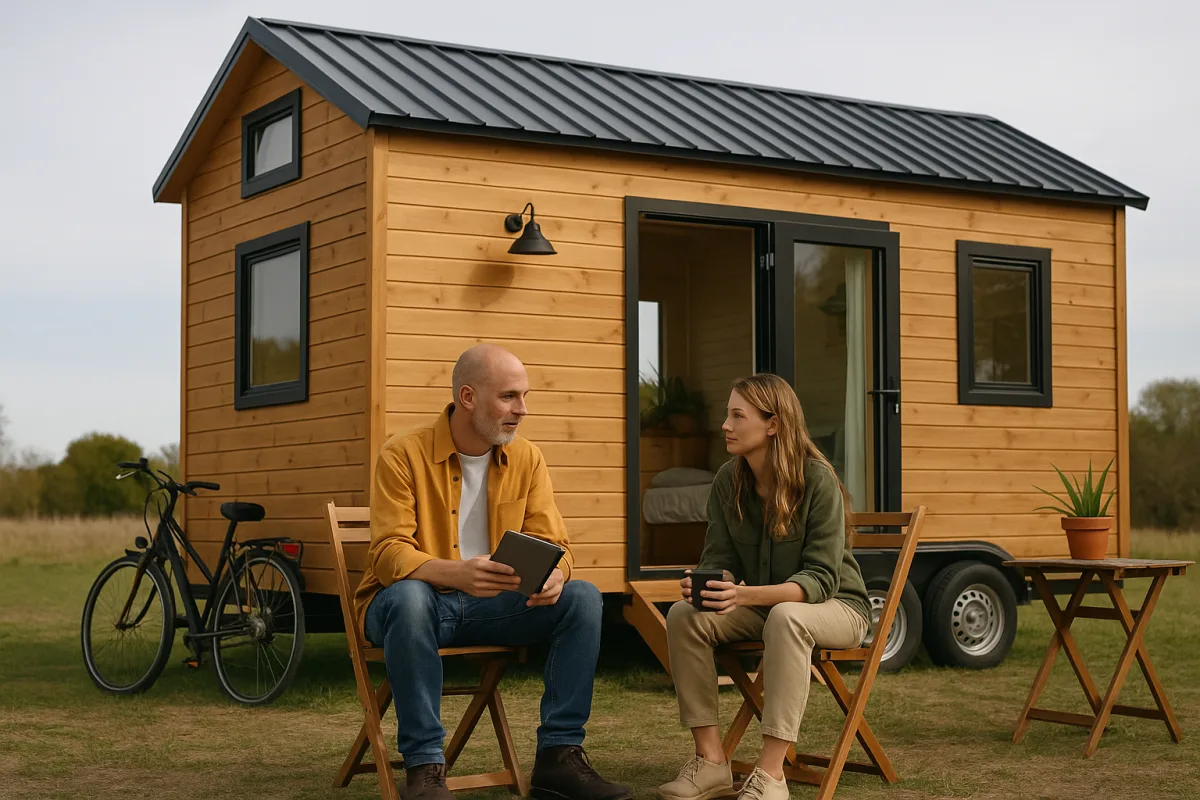
Affordable Tiny Homes: A Practical Comparison of Two Luxurious Options
As the tiny home movement continues to gain momentum, many people are drawn to the allure of affordable living without sacrificing comfort or style. However, with so many options available, it can be challenging to determine which tiny home truly delivers on the promise of luxurious living at a reasonable price. In this article, we'll compare two specific tiny home options that have garnered attention for their balance of affordability and luxury: a DIY tiny house and a professionally built tiny home on wheels (THOW).
The Contenders
DIY Tiny House: A self-built model often cited in various forums and videos, this DIY tiny house can fall within the price range of $20,000 to $45,000. However, the actual costs can often exceed this range due to unforeseen expenses in materials and labor.
Professionally Built Tiny Home on Wheels (THOW): This option, typically priced between $45,000 and $85,000, offers a prefabricated structure designed for mobility. These homes come with a range of finishes and layouts, often tailored to the buyer's specifications.
Key Criteria for Comparison
To make an informed decision, we will evaluate both options against the following criteria: cost, construction quality, design flexibility, livability, and legal considerations.
1. Cost
DIY Tiny House: The initial sticker price can be quite appealing. At an average of $20,000 to $45,000, it seems like a bargain. However, many builders report that unexpected costs, such as permits, land preparation, and utility hookups, can push the final tally much higher. It's not uncommon for DIY builds to end up costing over $50,000, especially when taking into account the labor of any hired help or the time investment of self-building.
THOW: With prices starting at around $45,000 and going up to $85,000, professionally built tiny homes provide a clearer understanding of upfront costs. These prices typically include construction, design, and delivery to your site. However, like DIY builds, the total can be significantly affected by additional costs like land purchase, site preparation, and utilities.
Verdict: If cost is the primary factor, a DIY tiny house may seem more attractive initially. However, potential hidden expenses could negate this advantage. On the other hand, a THOW offers a clearer cost structure.
2. Construction Quality
DIY Tiny House: The quality of construction depends heavily on the builder's skills and experience. A well-built DIY home can be high-quality, but the risk of errors or inadequate materials is significant. Also, DIY builders often have to compromise on certain aspects due to budget constraints or lack of access to professional-grade materials.
THOW: Professionally built homes benefit from industry standards and quality control processes. Many builders use high-quality materials and ensure that the homes meet local building codes. Additionally, these homes are often designed for durability, especially since they're built to be moved.
Verdict: For consistent quality, a THOW is likely the better choice, especially for those who may not have construction experience.
3. Design Flexibility
DIY Tiny House: One of the most significant advantages of a DIY build is the design flexibility it offers. Builders can customize every aspect, from layout to materials, making it a personalized project that reflects individual tastes. However, this flexibility can lead to decision fatigue and additional costs if changes are made mid-build.
THOW: While many manufacturers offer a variety of layouts and finishes, the design options are somewhat limited compared to a DIY project. Buyers can often choose from a set number of pre-designed models or make minor modifications, but the scope may not satisfy those seeking a completely custom build.
Verdict: If design flexibility is paramount, a DIY tiny house is the clear winner. However, those who prefer a curated design might find a THOW appealing.
4. Livability
DIY Tiny House: The livability of a DIY tiny house can vary significantly based on design choices and execution. If the builder is skilled, the home can be designed for optimal space utilization, making it comfortable for everyday living. However, a lack of experience can lead to poor layout decisions, inadequate storage, or inefficient use of space.
THOW: Professionally designed THOWs often prioritize livability, with features like lofted sleeping areas, built-in storage solutions, and open floor plans. These homes are typically designed with user-friendliness in mind, making them easier to live in full-time.
Verdict: For livability, a THOW generally has the edge due to professional design and careful space planning. However, a well-executed DIY project can be equally comfortable.
5. Legal Considerations
DIY Tiny House: The legality of parking and living in a DIY tiny house can be complicated. Since these homes are often classified as RVs, they may be subject to zoning restrictions that limit where they can be placed. Many areas have minimum size requirements for dwellings, which can further complicate the situation.
THOW: While THOWs also face similar legal challenges, being classified as RVs, their professional construction may facilitate acceptance by local authorities. Some manufacturers provide guidance on legal compliance, making it easier for buyers to navigate zoning regulations.
Verdict: Both options face legal hurdles, but a THOW may have a slight advantage due to clearer pathways to compliance and support from builders.
Conclusion: Which Option is Right for You?
If you're a hands-on type who enjoys DIY projects and is willing to invest time and effort, a DIY tiny house can be a fulfilling and cost-effective option. However, be prepared for potential hidden costs and challenges, especially if you lack construction experience.
On the other hand, if you prefer a hassle-free process with guaranteed quality and professional design, a THOW is likely the better choice. While it may come at a higher initial cost, the clarity of pricing, livability, and legal support can ultimately save you time and stress.
In the end, neither option is definitively better than the other. It all comes down to your personal preferences, skills, and lifestyle goals. Whichever path you choose, the key is to do thorough research, budget for hidden costs, and understand local regulations to ensure your tiny home living experience is as rewarding as possible.
Frequently Asked Questions
What are the best affordable tiny homes?
The article compares two specific types of affordable tiny homes: DIY tiny houses and professionally built tiny homes on wheels (THOW). Each option has its own price range and features, making them appealing based on individual preferences and needs.
How much does a DIY tiny house cost?
A DIY tiny house typically falls within the price range of $20,000 to $45,000. However, many builders report that unforeseen expenses can push the total cost above $50,000, especially when considering materials, labor, and additional costs like permits and utility hookups.
What are the advantages of a professionally built tiny home?
Professionally built tiny homes on wheels (THOW) offer consistent construction quality, adherence to building codes, and a clearer understanding of upfront costs. They are designed for durability and livability, often featuring optimized layouts and built-in storage solutions.
What hidden costs should I consider for affordable tiny homes?
When budgeting for affordable tiny homes, potential hidden costs include land purchase, site preparation, utility hookups, permits, and furnishings. These additional expenses can significantly increase the overall cost beyond the initial price of the home itself.
Sources
Kengo Kuma backs campaign to turn V&A Dundee into Lego set, Dezeen
Nissan hits triple-digit fuel economy during record-smashing run, New Atlas
Tiny Home Cost by Build Type 2026: Prices, Comparisons & Budget Guide - tinyhousel.com
Tiny Home Cost In 2026: The Full Breakdown, Not Just The Sticker, PERCH
Tiny House vs Barndominium Cost 2026: Which Is Actually Cheaper? - YouTube
Tiny Home Financing 2026: How to Get a Mortgage for a Tiny House
Tiny House Zoning Laws by State: Complete Guide to Legal Requirements & Regulations - tinyhousel.com
Are Tiny Homes Legal in New Jersey? Zoning Rules - LegalClarity
Tiny House Zoning Laws: Where Tiny Homes Are Legal | Zonloty
How to Get a Tiny House: Zoning Laws, Permits, and Codes - LegalClarity
Tiny Home Building Laws in the US | Where Can You Legally Live in a Tiny House?
Tiny Homes Full Price Cost 2026: Real Costs, Fees & Hidden Expenses - tinyhousel.com
Tiny Home Insurance: Coverage Options, Costs & Best Companies | Penny Pincher
Why Tiny Homes Are a Bad Idea for Most People - Engineer Fix
Top 8 Tiny House Mistakes Australia: Avoid These Common Pitfalls
The Truth Behind Tiny-House Living (From People Who've Done It)
Related Articles
DIY Affordable Tiny Homes: Build Your Own Budget-Friendly
Explore DIY affordable tiny homes with tips on materials, costs, and designs for building your own budget-friendly living space.
Affordable Off-Grid Tiny Homes
Explore affordable off-grid tiny homes with DIY builds, costs, tech, and real examples for practical, budget-friendly living in 2026.
Affordable Prefab Tiny Homes Under 100K
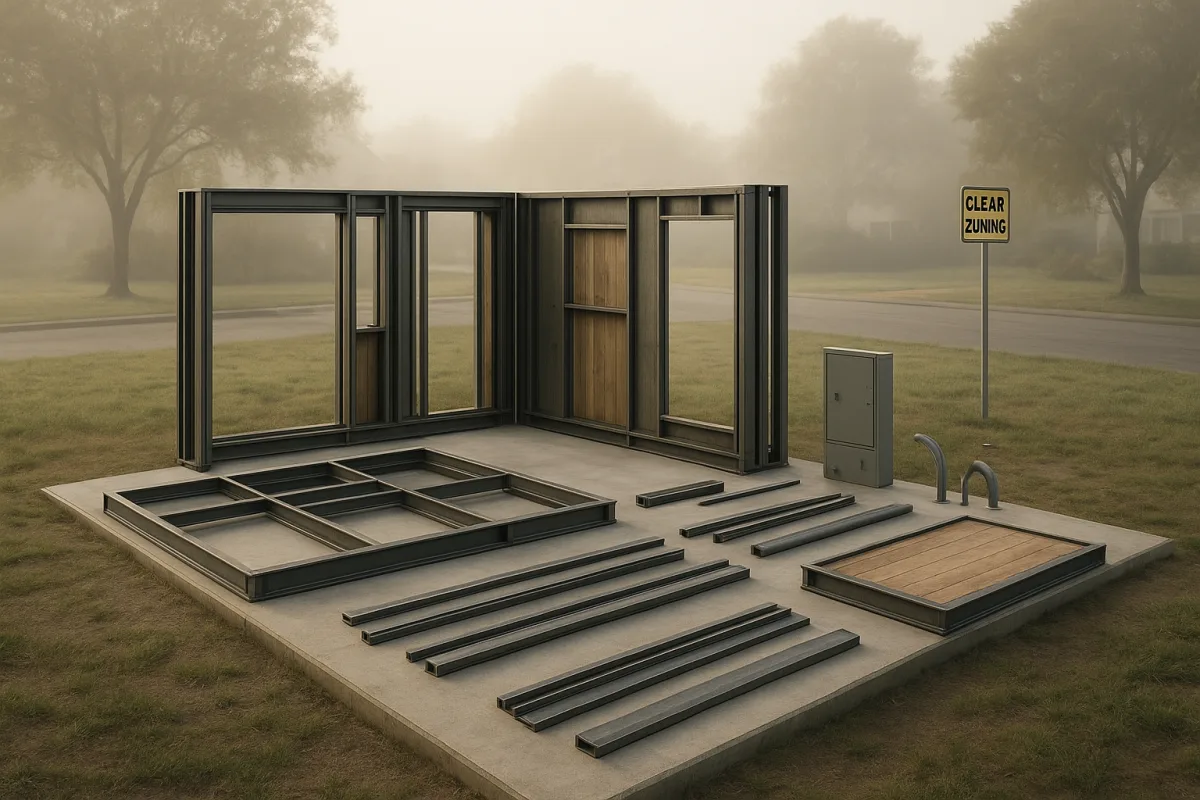
Explore affordable prefab tiny homes under 100K with cost breakdowns, kit options, and legal considerations to help you choose the right small home.
Tiny Home Financing and Placement Costs Explained
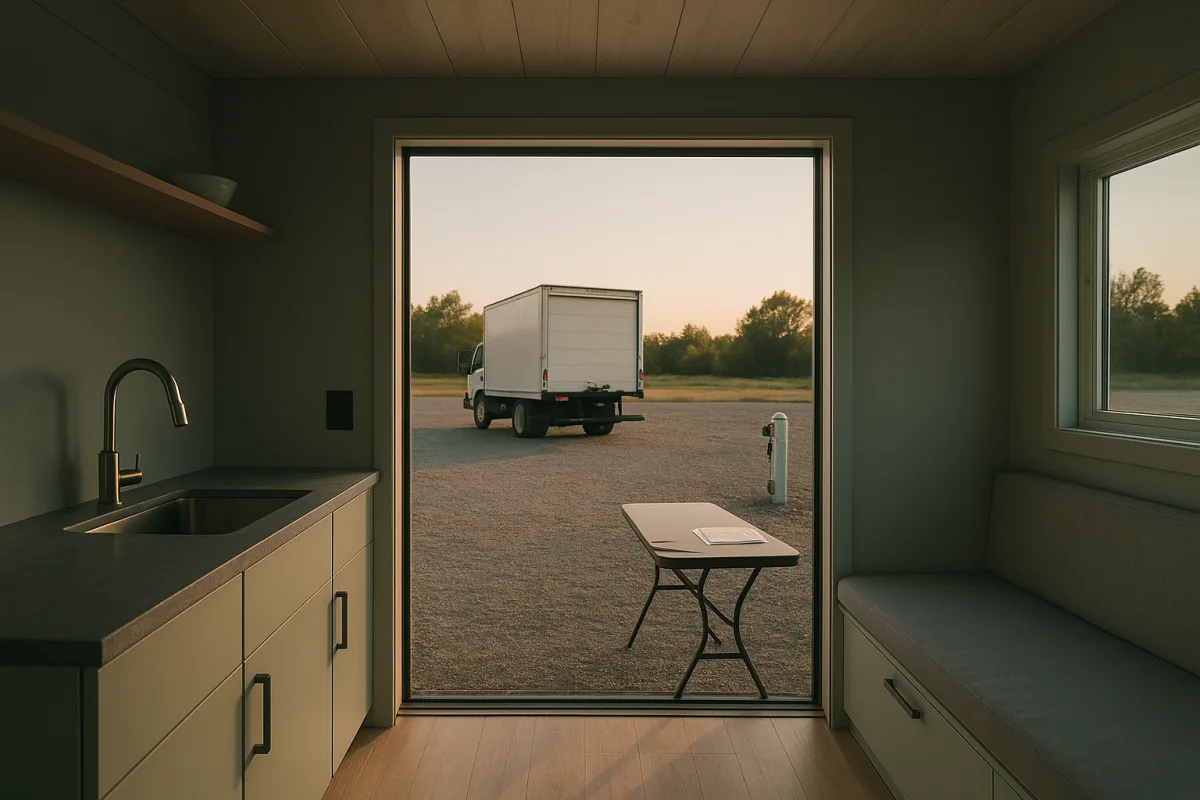
Learn about tiny home financing options and the true costs of placing a tiny home, including zoning, delivery, and site preparation fees.