
Tiny Living for Families: Making Small Spaces Work
Explore how families thrive in tiny homes with practical tips and insights on maximizing space and embracing a simpler lifestyle.
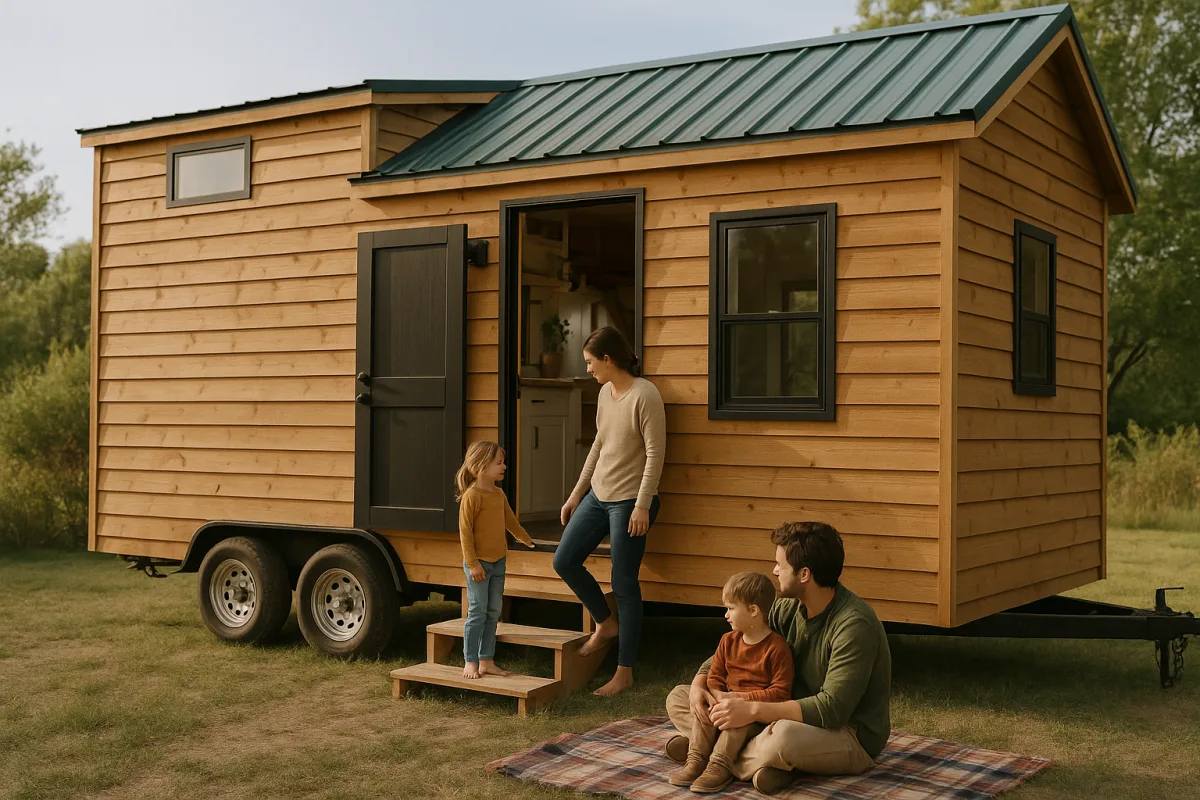
Thriving in Tiny Homes: How Families Are Making It Work
In recent years, there has been a notable shift in the tiny living movement, particularly among families seeking to downsize their living spaces. What was once considered an alternative lifestyle primarily embraced by singles and couples has evolved into a viable housing option for families, with many finding unique solutions to the challenges that come with living in compact spaces. This trend is supported by numerous independent sources highlighting the experiences of families who have successfully transitioned to tiny homes.
Evidence of a Growing Trend
Reports indicate that families are increasingly opting for tiny homes, often motivated by financial considerations, a desire for sustainability, and the need for a simpler lifestyle. Many families are finding that living in smaller spaces allows for a more manageable lifestyle, where they can focus on experiences over material possessions. For example, a family featured on the channel Living Big In A Tiny House shared how they live in a 20-foot shipping container home, utilizing outdoor space to expand their living area and create a functional, beautiful environment for their children. They noted that despite the compact size, their intentional design choices, such as ample windows and outdoor areas, make the space feel much larger than it is.
Similarly, a family who built their tiny home for $30,000 emphasized the purpose behind their decision. They expressed that downsizing allowed them to prioritize family experiences, such as homeschooling and traveling, over the burdensome financial obligations of a traditional mortgage. Their story is echoed by many other families who have embraced tiny living, finding that the financial freedom gained from not being tied to a hefty mortgage allows them to invest in experiences that enrich their family life.
Why Now?
The current wave of families moving into tiny homes can be attributed to several factors. First, the cost of living continues to rise in many urban areas, making traditional housing unaffordable for families. As noted in independent research, families in tiny homes can save 50-70% on utilities compared to traditional homes, which can significantly ease financial pressure. Furthermore, the increasing awareness of environmental issues has led many to seek sustainable living options. Living off the grid, as seen in the shipping container home example, allows families to reduce their carbon footprint while fostering a deeper connection with nature.
Additionally, the COVID-19 pandemic has prompted many families to rethink their living situations, as remote work and schooling have altered the traditional family dynamic. The need for more flexible living arrangements has made tiny homes an appealing option, allowing families to adapt their spaces to fit their evolving needs.
Practical Advice from Families
Families that have transitioned to tiny living often share valuable insights on how to make it work. Here are some key tips drawn from their experiences:
Maximize Outdoor Space: A common theme among families living in tiny homes is the importance of outdoor areas. The family in the shipping container home emphasized how they utilize their deck and yard to create additional living space, providing room for children to play and for family gatherings. This approach not only expands their usable area but also promotes a lifestyle that encourages outdoor activities.
Prioritize Functionality in Design: Families have found that careful planning and smart design choices are essential in tiny spaces. For instance, opting for a layout that includes multi-functional furniture, such as a dining table that doubles as a workspace, can greatly enhance usability. The family that built their home for $30,000 highlighted how they designed their kitchen to accommodate both cooking and dining, ensuring that every square foot serves multiple purposes.
Embrace Minimalism: Transitioning to a tiny home often necessitates a significant reduction in possessions. Many families report that decluttering and minimizing their belongings not only simplifies their living environment but also enhances their emotional well-being. The experience of a woman who downsized after her husband's passing illustrates how letting go of excess can lead to new beginnings. She shared that she reduced her possessions by about 90%, which made her new tiny space feel more manageable and liberating.
Create Separate Spaces: For families with children, having designated areas for different activities is crucial. The family living in the shipping container managed to create separate spaces by using their shed as an office and play area. This separation allows parents to work while children engage in their activities, thus maintaining harmony in a compact living environment.
Stay Flexible: Families transitioning to tiny homes should remain open to adjusting their living arrangements as needs change. The family who lived in their tiny house for several years eventually felt the need for more space as their children grew older. They adapted by purchasing a larger home but continue to rent out their tiny home as an income-generating asset. This flexibility can be crucial in managing family dynamics and financial strategies.
What It Means for Your Tiny Home Project
For those considering a tiny home for their family, it's essential to approach the project with a realistic mindset about the trade-offs involved. While tiny living can offer substantial benefits, it also requires a willingness to adapt to a smaller lifestyle. The financial savings from reduced utility bills and maintenance costs can be significant, but potential buyers should be aware of the challenges surrounding financing and zoning regulations, as traditional lenders often struggle to accommodate tiny homes on wheels.
As noted in the independent research, zoning regulations vary widely, and many municipalities still lack clear classifications for tiny homes, which can complicate the building process. Prospective tiny home buyers should be prepared for potential hurdles in securing permits and ensuring compliance with local laws.
Additionally, those embarking on a tiny home project should carefully consider the long-term implications of their choice. While many families thrive in tiny homes, the resale market for these properties can be uncertain, particularly for families. As the market predominantly attracts singles and couples, families may face challenges when it comes time to sell.
Conclusion
The trend of families thriving in tiny homes is more than just a passing fad; it represents a shift towards a more intentional way of living. With careful planning, a focus on functionality, and a willingness to embrace minimalism, families can create a fulfilling and enriching environment in even the smallest of spaces. By learning from the experiences of those who have successfully navigated this lifestyle, prospective tiny home owners can set themselves up for success, ensuring that their tiny living journey is a rewarding one.
Frequently Asked Questions
How can families thrive in tiny homes?
Families can thrive in tiny homes by maximizing outdoor space, prioritizing functionality in design, embracing minimalism, and creating separate areas for different activities. These strategies help families adapt to smaller living environments while maintaining a fulfilling lifestyle.
What are the benefits of tiny living for families?
Tiny living offers families financial freedom by significantly reducing utility costs and eliminating burdensome mortgage payments. Additionally, it encourages a simpler lifestyle focused on experiences rather than material possessions, fostering stronger family bonds.
What design strategies help families in tiny houses?
Effective design strategies for families in tiny houses include using multi-functional furniture, creating designated spaces for various activities, and ensuring ample natural light. These approaches enhance usability and comfort within compact living areas.
How do families manage space in tiny homes?
Families manage space in tiny homes by utilizing outdoor areas for play and gatherings, incorporating multi-purpose furniture, and minimizing possessions. This careful planning allows them to maximize their living environment while accommodating daily activities.
What are the challenges of tiny living for families?
Challenges of tiny living for families include potential difficulties with zoning regulations, financing, and resale value. The niche market for tiny homes often attracts a limited buyer pool, making it harder for families to sell their homes when the time comes.
Sources
Family of Four Lives Mortgage-Free in a 20ft Shipping Container Home, Living Big In A Tiny House
After Losing Her Husband She Found a Fresh Start Here, Tiny Home Tours
They Built a $30K Tiny House for Their Family, 12 Years Later, Tiny House Giant Journey
Tiny Home Financing 2026: How to Get a Mortgage for a Tiny House
Massachusetts Tiny Home & ADU Zoning Laws 2026 | Luxe Box Properties
Washington State Tiny Home Zoning Laws 2026 | Luxe Box Properties
North Carolina Tiny Home Zoning Laws 2026 | Luxe Box Properties
Tiny Houses in Denver: Zoning Laws and Permit Requirements - LegalClarity
Alabama Tiny House Zoning Laws 2026 | County-by-County Guide
Cost to Build a Tiny Home: Full Price Breakdown, Hidden Costs & Budget Tips - tinyhousel.com
Tiny House Resale Value in 2026 (What You Actually Get Back) | Little Houses For Sale
Do Tiny Houses Hold Their Value? Resale Reality in 2025-2026
Permit for Tiny Home in Backyard: Rules, Costs, Zoning & Legal Steps - tinyhousel.com
Tiny House Legal States 2026: Where Tiny Homes Are Allowed & Restricted - tinyhousel.com
Off-Grid Tiny House Legal Setup: Water, Waste, Power Permits
Watch Tiny Living for Families on Youtube
Also from the sources
Related Articles
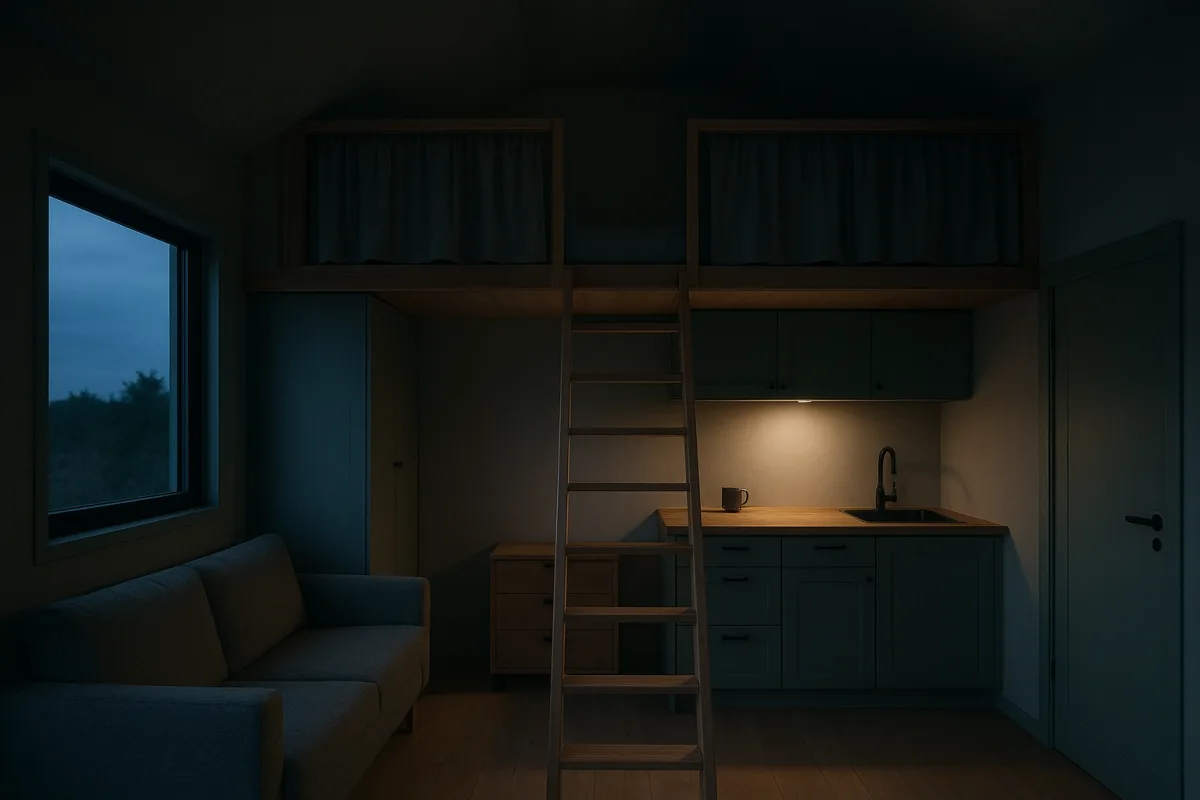
Family Tiny House Designs for Multi-Person Living
Explore family tiny house designs that accommodate multiple people with privacy, storage, and living space for comfortable small-space living.
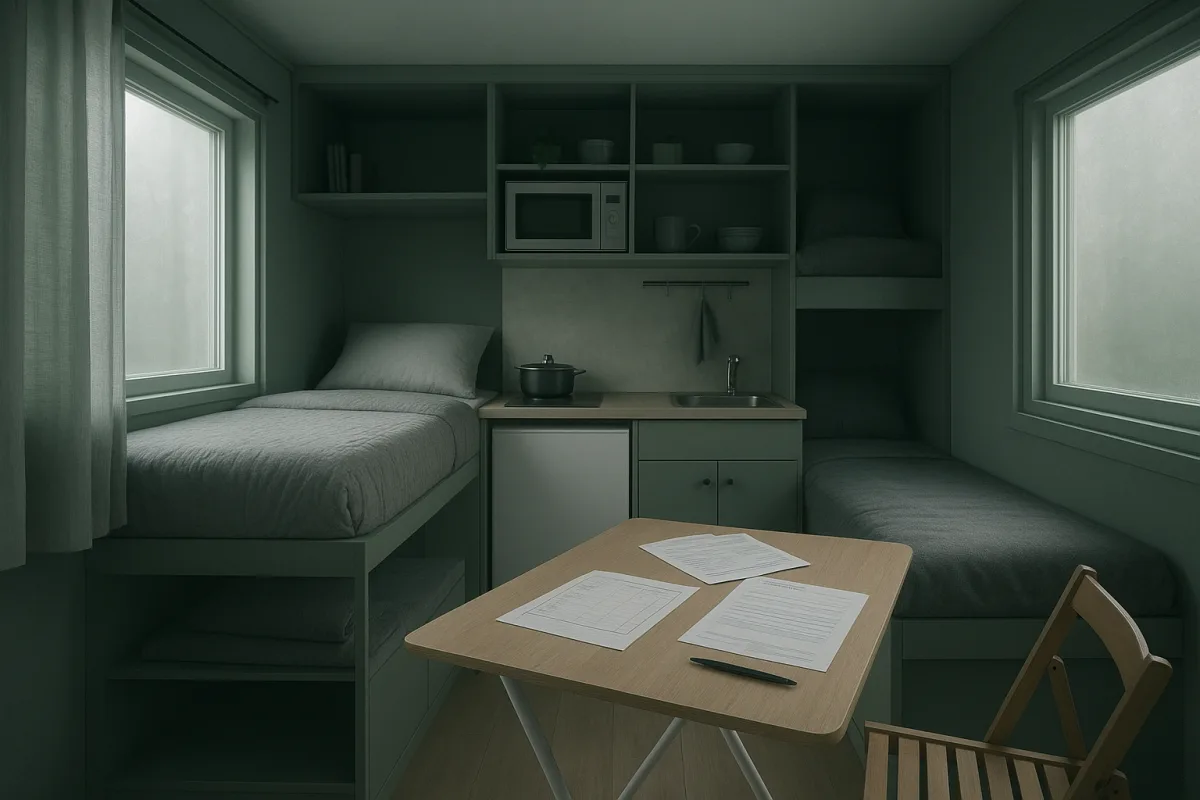
Tiny House Living After Major Life Changes: Planning & Costs
Explore tiny house living after major life changes with tips on budgeting, legal steps, and family-friendly design for a smooth transition.

Downsizing Stories: Lessons from Families Embracing Tiny
Explore downsizing stories and lessons from families who transitioned to tiny living, including challenges and practical tips.
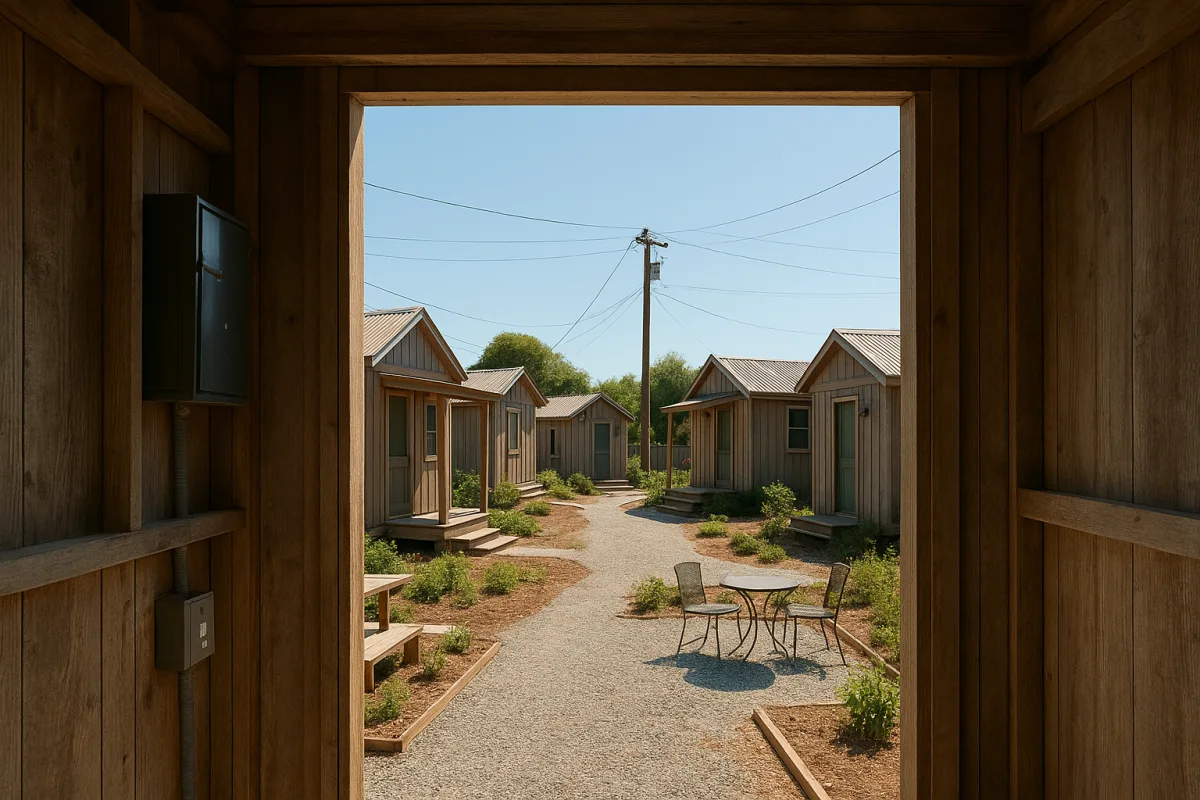
Multi-Generation Tiny House Living
Explore multi-generation tiny house living with shared infrastructure, design tips, costs, and privacy solutions for family compounds.