
Off-Grid Water Systems for Tiny Homes Explained
Explore off-grid water systems for tiny homes, including sourcing, costs, and management tips for sustainable living.
Understanding Off-Grid Water Systems in Tiny Homes
In the realm of off-grid living, one of the most significant challenges is establishing a reliable water supply. Many individuals like those living in tiny homes face the dual necessity of having access to clean water while also adhering to sustainable practices. The stories of self-builders, such as a Bulgarian man who constructed his own off-grid tiny home and a woman who converted a box truck into a mobile living space, reveal the complexities involved in sourcing and managing water in these unique dwellings. Here, we will unpack the mechanics of off-grid water systems, the costs involved, and the factors that influence their effectiveness.
The Mechanics of Water Sourcing
Water sourcing in off-grid tiny homes can be broadly categorized into three systems: direct water connections from wells, rainwater collection systems, and alternative sources such as portable water tanks.
Well Water Systems: For those fortunate enough to have access to groundwater, drilling a well can provide a consistent supply of fresh water. While the upfront cost of drilling a well can be significant, averaging between $3,000 to $15,000 depending on depth and local geology, once established, the ongoing costs are typically lower than other methods. Some builders have opted for this route but must also consider the maintenance of pumps and filtration systems to ensure the water remains potable.
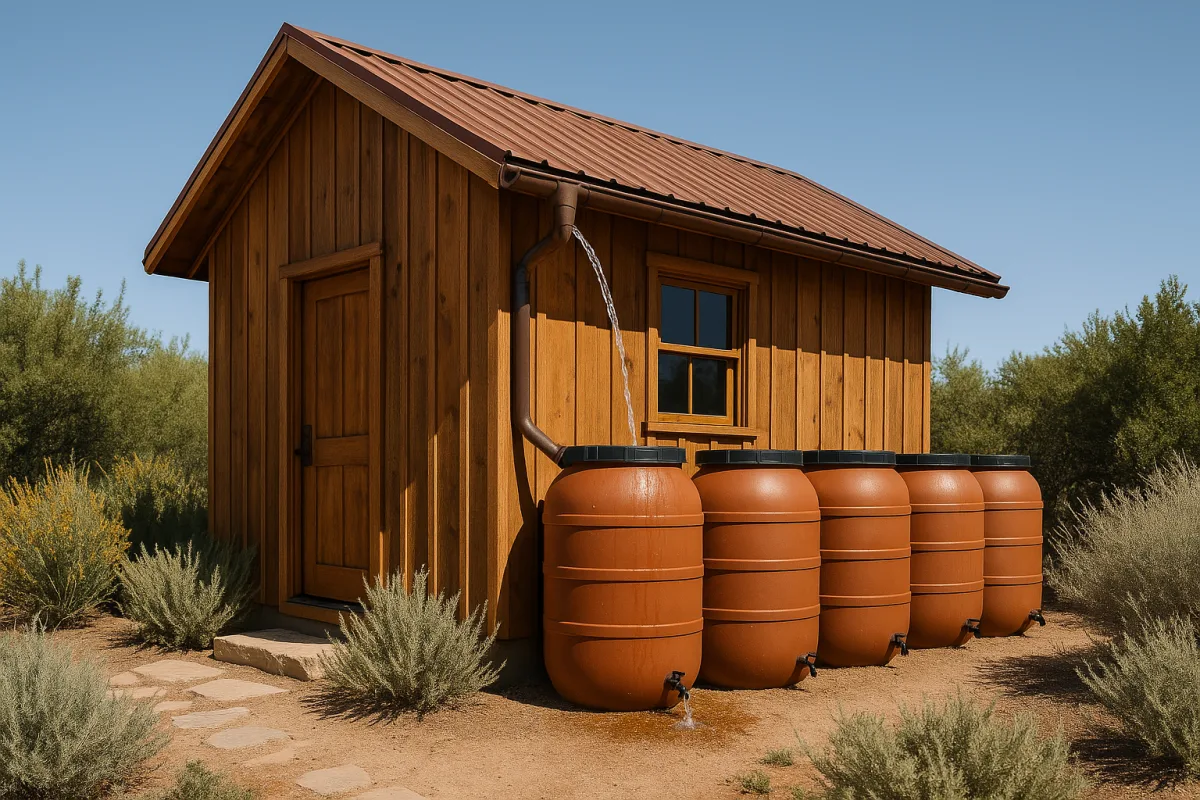
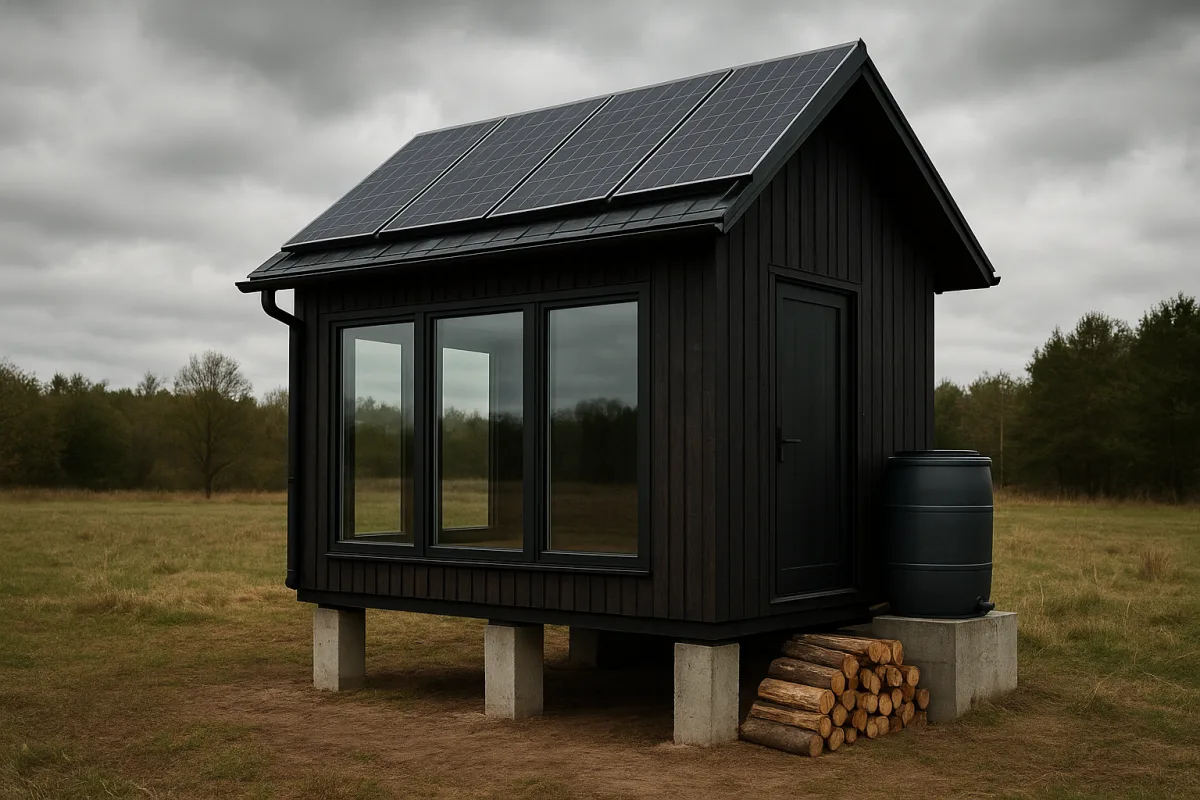
Rainwater Harvesting Systems: This method involves capturing rainwater from the roof of the tiny home and directing it into storage tanks. The Bulgarian self-builder mentioned that he originally tried this approach but faced challenges due to insufficient water quality and quantity. He initially built a system that connected gutters to an underground tank, but found it inadequate as it led to issues like dirty water and mold growth. To remedy this, he connected to his neighbor's well, effectively augmenting his water supply. As a rule of thumb, the initial setup for a rainwater collection system can cost between $1,500 and $3,000, including gutters, filtration, and storage tanks. However, ongoing maintenance is essential, as these systems require regular cleaning and checks to ensure water quality.
Portable Water Tanks: For those who may not have access to a well or adequate rainfall, using portable water tanks can be a practical solution. These tanks can be filled from community sources or during trips to urban areas. The costs for these tanks vary widely based on size and material, but a basic setup can cost around $150 to $500.
Filtration and Treatment
Regardless of the sourcing method, water treatment is crucial for ensuring safety and usability. Systems can range from simple sediment filters for rainwater systems to more sophisticated reverse osmosis systems for well water. The Bulgarian self-builder installed a filtering system to treat the water from his neighbor's well, which is vital for preventing contamination.
Costs for water filtration systems can vary. Basic filters start around $50, while more comprehensive systems can run up to $300 or more, especially if they include UV light sanitation features. It's important to factor in these costs when budgeting for an off-grid water system.
Greywater Management
Another aspect of off-grid water systems is how to manage greywater, wastewater generated from sinks, showers, and washing machines. The self-builder in Bulgaria installed a triple chamber PVC recycling tank to process greywater. This tank uses aerobic and anaerobic bacteria to break down solids, allowing for clean discharge into the environment. This type of system can be relatively inexpensive, with installation costs generally ranging from $1,000 to $3,000, depending on the complexity and local regulations.
Cost Considerations
The total costs of installing a comprehensive water system can add up quickly. For instance, the Bulgarian self-builder reported a total cost of approximately €50,000 for his tiny home, which included the water system’s components. However, he did not initially account for the ongoing water quality issues that required additional investments in filtration and connection to a neighbor’s well.
In the U.S., the average cost for setting up an off-grid water system can range from $5,000 to $20,000, depending on the complexity of the filtration systems and the methods of water sourcing. Maintenance costs typically add another $500 to $1,500 annually for inspections and repairs.
Challenges and Trade-offs
While off-grid water systems offer independence and sustainability, they come with challenges and trade-offs. For example, reliance on rainwater harvesting can be risky in arid climates or during dry seasons. The Bulgarian self-builder experienced energy shortages in winter due to decreased sunlight for his solar panels, which may also affect his water system's efficiency if not planned properly.
Moreover, maintenance of these systems is paramount. Regular checks on filtration systems, pumps, and storage tanks are necessary to avoid potentially harmful situations, such as contamination or system failure.
Another challenge is the balance between water consumption and storage capacity. Builders often have to be mindful of their water usage, especially in smaller homes where space for storage tanks is limited. The woman who converted a box truck into an off-grid home, for example, had to carefully plan her layout and water storage solutions to maximize efficiency and comfort.
Conclusion
Understanding the mechanics, costs, and challenges of off-grid water systems is crucial for anyone considering a tiny home or mobile living space. The stories of individuals like the Bulgarian self-builder and the woman who transformed a box truck into a home illustrate the importance of careful planning and implementation. While the initial costs can be daunting, the benefits of self-sufficiency and sustainability often outweigh the challenges.
For those embarking on a similar journey, it’s essential to conduct thorough research, prepare for both upfront expenses and ongoing maintenance, and remain adaptable to the realities of off-grid living. Having a solid plan for water sourcing and management can significantly enhance the overall living experience in a tiny home, making the dream of off-grid life not just achievable, but genuinely enjoyable.
Frequently Asked Questions
What are the best off-grid water systems for tiny homes?
Off-grid water systems for tiny homes can include well water systems, rainwater harvesting systems, and portable water tanks. Each system has its own benefits and challenges, such as the reliability of groundwater access, the need for maintenance in rainwater systems, and the practicality of using portable tanks.
How do you set up a rainwater harvesting system?
To set up a rainwater harvesting system, you need to install gutters on the roof to collect rainwater, which is then directed into storage tanks. It is important to incorporate filtration systems to ensure water quality and to regularly maintain the system to prevent issues like mold growth and contamination.
What are the costs of off-grid water systems?
The costs of off-grid water systems can vary significantly. For example, well drilling can range from $3,000 to $15,000, while rainwater harvesting systems typically cost between $1,500 and $3,000. Additionally, ongoing maintenance costs for these systems can add another $500 to $1,500 annually.
How to manage greywater in off-grid living?
Greywater management in off-grid living can be achieved through systems like a triple chamber PVC recycling tank, which uses bacteria to break down solids. Installation costs for such systems generally range from $1,000 to $3,000, depending on complexity and local regulations.
Sources
Man Builds His Own Affordable Off-Grid Tiny House, Exploring Alternatives
She Built Box Truck Betti After Leaving Her Marriage, An Off-Grid Tiny Home With Solar, Carved Wood, and a Fresh Start, Tiny House Talk
Antao Earth washbasins by KaschKasch and Villeroy & Boch, Dezeen
Cost of Building a House in Bulgaria? Prices & €/m² 2026 | WALHALLA
Tiny Home Financing 2026: How to Get a Mortgage for a Tiny House
Tiny House Financing 2026: Complete Guide to Tiny Home Loans & Mortgages
Tiny House Resale Value in 2026 (What You Actually Get Back) | Little Houses For Sale
Tiny Home Resale Value: What Increases (or Decreases) Market Price, TinyHousePlans.com
Tiny house trends, financing, and regulations shaping 2026 | Prism News
Watch Off-Grid Living on Youtube
Related Articles
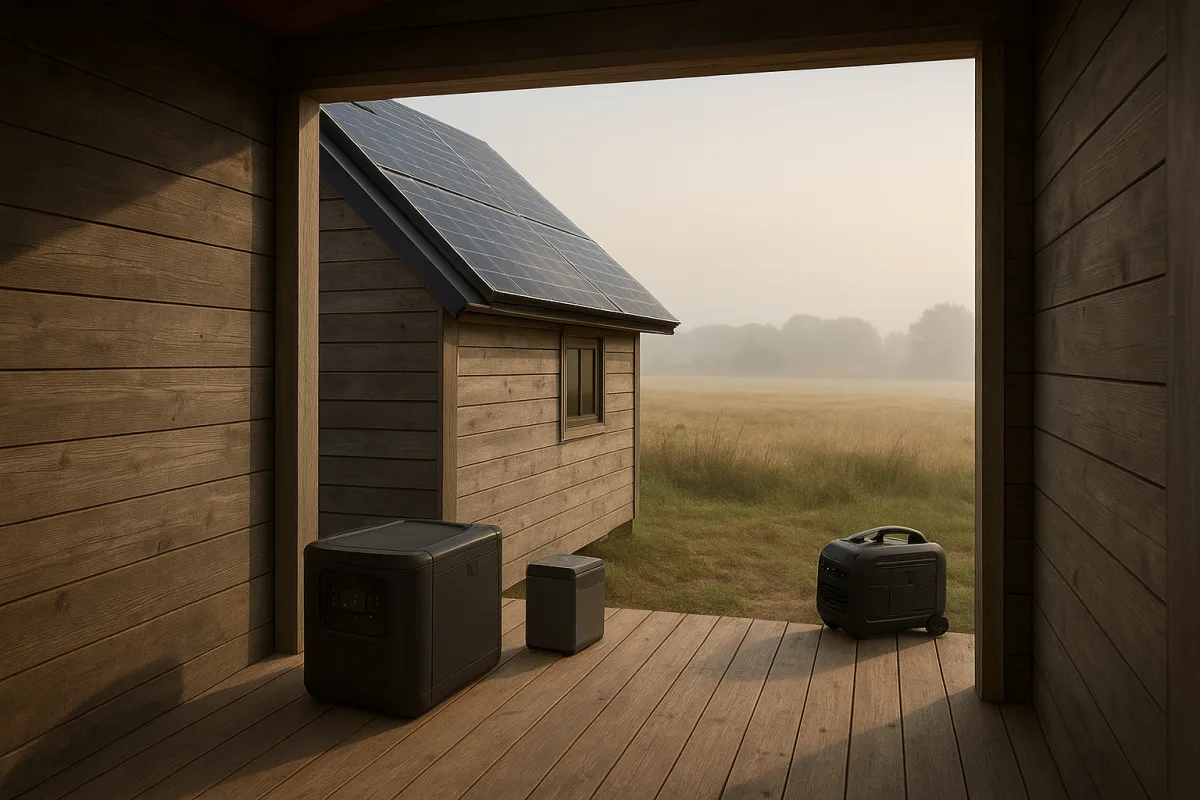
Off-Grid Power Solutions for Tiny Homes: Sizing and Setup
Learn how to size and choose off-grid power solutions for tiny homes, including solar generators, battery storage, and backup power options.
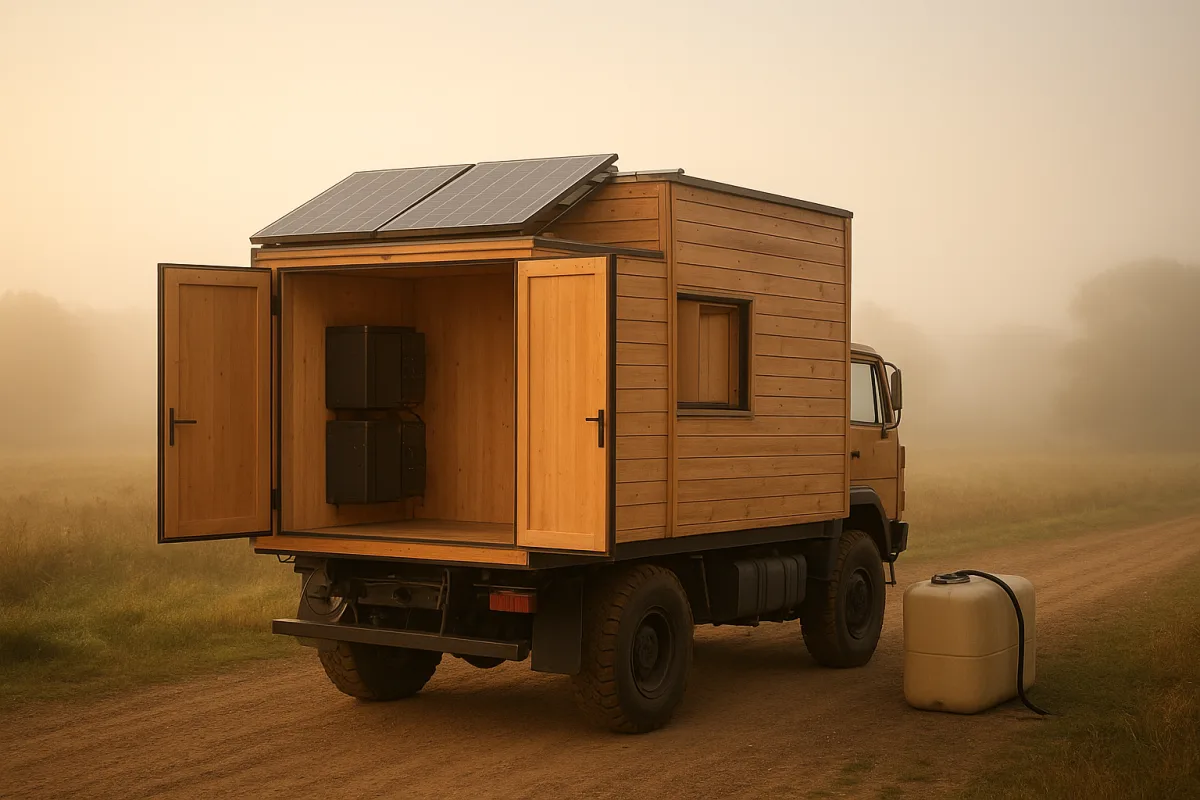
Truck-Based Off-Grid Tiny Homes: Mobile Living Innovations
Explore truck-based off-grid tiny homes, their design, costs, and mobile living systems for self-sufficient life on the road.
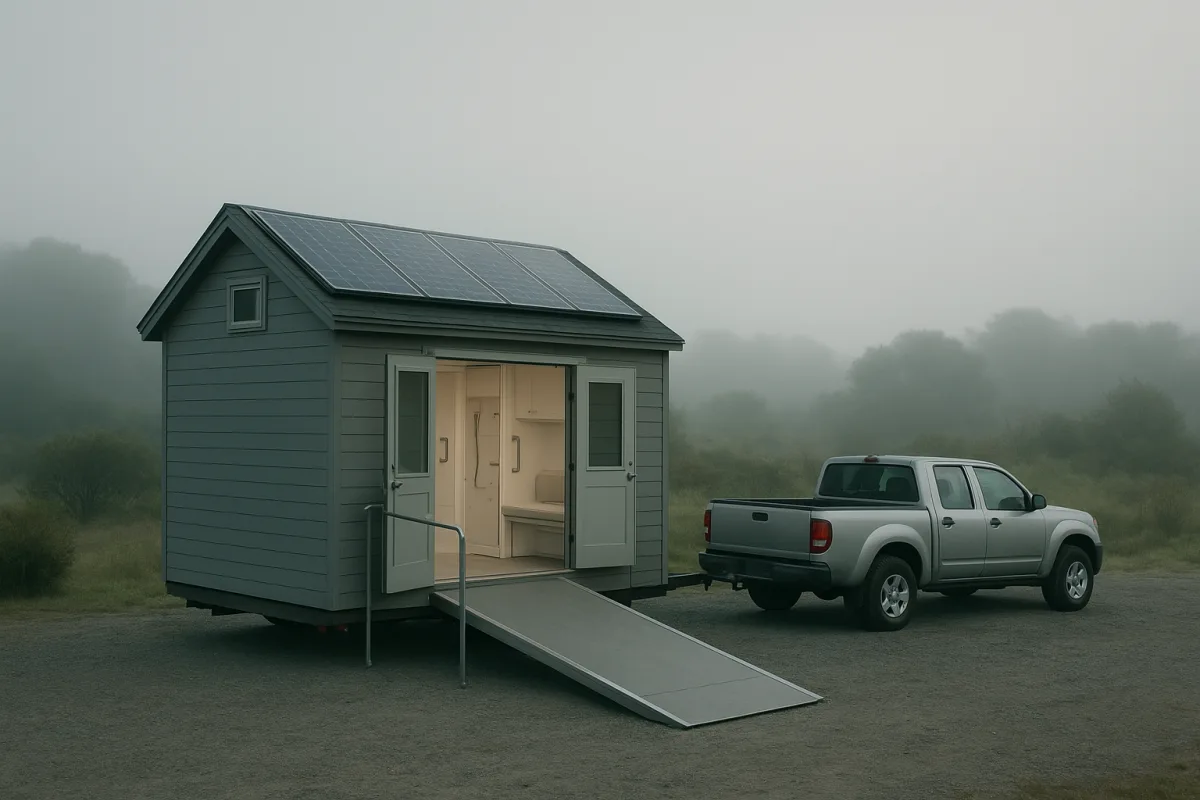
Off-Grid Accessible Tiny Homes for Special Needs
Explore off-grid accessible tiny homes designed for special needs and adventure, including design, features, and trade-offs for independent living.
Affordable Off-Grid Tiny Homes
Explore affordable off-grid tiny homes with DIY builds, costs, tech, and real examples for practical, budget-friendly living in 2026.