
Downsizing Stories: Lessons from Families Embracing Tiny
Explore downsizing stories and lessons from families who transitioned to tiny living, including challenges and practical tips.

Downsizing Stories: Real-Life Lessons from Families Who've Chosen Tiny Living
Downsizing to a tiny home can seem like a dream come true. The allure of simplicity, financial freedom, and a more sustainable lifestyle is often what drives families to make this significant life change. However, the transition can be fraught with challenges. Let's take a look at practical lessons from families who have made the leap into tiny living, particularly through the lens of a family residing in a 20-foot shipping container home.
Understanding the Space: How Much Room Do You Really Need?
One of the most immediate challenges families face when downsizing is reconciling their spatial needs with the limited square footage of tiny homes. A family of four living in a 20-foot shipping container provides an insightful case study. Their previous tiny house was about 27 square meters (approximately 290 square feet), but they found their new 20-foot home somewhat smaller. Yet, they cleverly expanded their living space by utilizing the outdoor area, effectively blurring the lines between indoor and outdoor living.
Actionable Tip: Before committing to a tiny living space, spend time in a similar-sized area to understand how it will accommodate your family’s daily life. Consider outdoor extensions, such as decks or patios, for additional space.
Tackling Zoning and Regulations
Zoning regulations can be a significant hurdle when transitioning to a tiny home, especially if you're considering a shipping container build. In Brisbane, where the family mentioned above constructed their home, regulations dictate that placing a shipping container on private land often requires various permits. For instance, permanent placements necessitate a Development Permit for Building Work, while temporary installations might only need minimal approval.
Actionable Tip: Research the zoning laws in your desired location thoroughly. Engage with local authorities or consult a professional to understand what permits you need before starting your build.
Budgeting for Your Tiny Home
Cost is another critical aspect of downsizing that can quickly spiral out of control if not managed carefully. The family in the shipping container home had to navigate varying costs: while the container itself may cost between $2,000 and $6,000, additional expenses such as site preparation (up to $20,000), insulation, plumbing, and electrical installations can add up quickly. Builders often quote base costs without factoring in these essential elements.
Actionable Tip: Create a detailed budget that includes not only the cost of the home but also all associated expenses. Consult local builders for precise quotes tailored to your design and location.
Embracing DIY: Building Skills and Confidence
For many families, building their own tiny home becomes a rewarding experience. The aforementioned family took on most of the construction themselves, learning as they went. Their first tiny house provided the confidence and skills needed for the shipping container project. This DIY approach not only saves money but also fosters a sense of accomplishment and pride.
Actionable Tip: If you’re considering building your own tiny home, take time to learn from online tutorials or local workshops. Start with small projects to build your skills before tackling your main home.
Making Space for Family Life
Living in a compact space can strain family dynamics, especially with children. The shipping container family found ways to make their living situation work by optimizing their interior layout and creating outdoor living areas. They also built a shed for additional storage and workspace, which helped alleviate some of the cramped conditions inside the container, especially when the kids were sleeping.
Actionable Tip: Invest in multifunctional furniture and smart storage solutions to maximize your tiny home’s potential. Consider having a separate shed or outdoor area for activities that require more space.
Adjusting to Off-Grid Living
The family lives off the grid, which initially seemed appealing due to the reduced utility costs. However, they faced challenges in terms of water and energy management. For instance, setting up solar panels can range from $8,000 to $18,000, and rainwater tanks can add another $3,000 to $8,000 to the budget. While off-grid living can promote sustainability, it requires upfront investment and ongoing management.
Actionable Tip: If you plan to go off-grid, evaluate your family's energy needs and water consumption. Consider starting with a hybrid approach, connecting temporarily to utilities while setting up your off-grid systems.
Navigating Emotional Challenges
Downsizing isn't just a physical transition; it's also an emotional one. Families often struggle with letting go of possessions and adjusting to new lifestyles. The shipping container family learned to live with less, recognizing that the more space you have, the more things you tend to accumulate. However, this shift in mindset takes time and can be difficult, particularly for children who may be attached to their belongings.
Actionable Tip: Involve every family member in the downsizing process. Encourage open discussions about what items are truly important and why. This can help everyone adjust to the changes more smoothly.
Building Community Connections
Living in a tiny home can sometimes lead to feelings of isolation, especially if you are off the grid. This family took advantage of their outdoor space not only for leisure but also for community-building activities like outdoor dinners and gatherings, which helped them remain socially connected.
Actionable Tip: Engage with your local community by hosting events or joining local groups focused on sustainable living or tiny home communities. This can provide emotional support and practical advice as you navigate your new lifestyle.
Conclusion: Embracing the Journey
Transitioning to a tiny home can be a fulfilling yet challenging journey. Each family’s story, like that of the shipping container family, highlights the importance of preparation, adaptability, and community. While there are sacrifices to be made, the rewards of living simply, sustainably, and intentionally can lead to a more fulfilling life.
By learning from others’ experiences, you can better prepare for the realities of downsizing and make informed choices along the way. Remember, the goal is not just to live smaller, but to live better.
Frequently Asked Questions
What challenges do families face when downsizing?
Families often encounter several challenges when downsizing, including financing difficulties due to lender perceptions of risk, regulatory and zoning issues, and construction constraints that can affect structural integrity. Limited space can lead to storage and privacy issues, while health and safety concerns may arise from using repurposed containers. Additionally, families may experience feelings of isolation due to zoning restrictions.
How do families adjust to tiny living?
Adjusting to tiny living involves a significant shift in mindset and lifestyle. Families learn to optimize their space through multifunctional furniture and smart storage solutions, while also adapting to new routines that accommodate their compact environment. Involving all family members in the downsizing process can help ease the transition by fostering open discussions about what possessions are truly important.
Sources
Family of Four Lives Mortgage-Free in a 20ft Shipping Container Home, Living Big In A Tiny House
Tri-Valley REACH breaks ground on new ADU in Pleasanton, Pleasanton Weekly
Shipping containers and railway carriages | Redland City Council
How Much Does a Container Home Cost in Australia? (2026 Guide)
How Much Do Shipping Container Homes Cost to Build? - LegalClarity
Financing Options | Container Chiq - Flexible Solutions for Containers
Container Financing Options - Bob's Containers / Bob's Containers
Buying a shipping container home: is it worth it? | finder.com
Are Container Homes Legal? Zoning & Building Code Guide (2026) | ContainerCompass
Shipping Container Homes for Sale: Common Problems & Fixes - Shipping Containers USA
Electricity Prices Australia 2026 | Cost Per kWh by State | Why Solar
How Much Does a Container Home Cost in Australia? 2026 Complete Price Guide - UVO Construction
Container Homes NSW: Complete Guide (2026), Comfycontainerhomes
Watch Downsizing Stories on Youtube
Related Articles
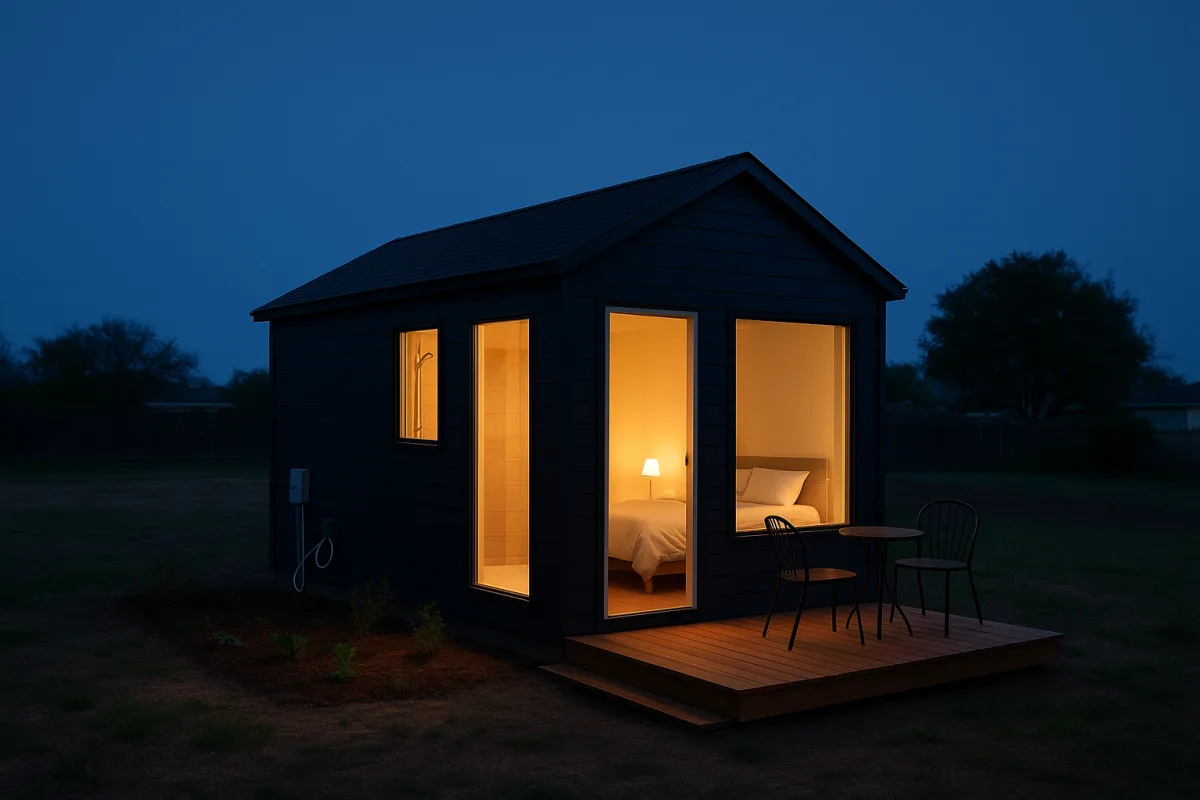
Tiny House Living Stories
Explore tiny house living stories and downsizing experiences with real cost, layout, and lifestyle insights from long-term tiny home residents.
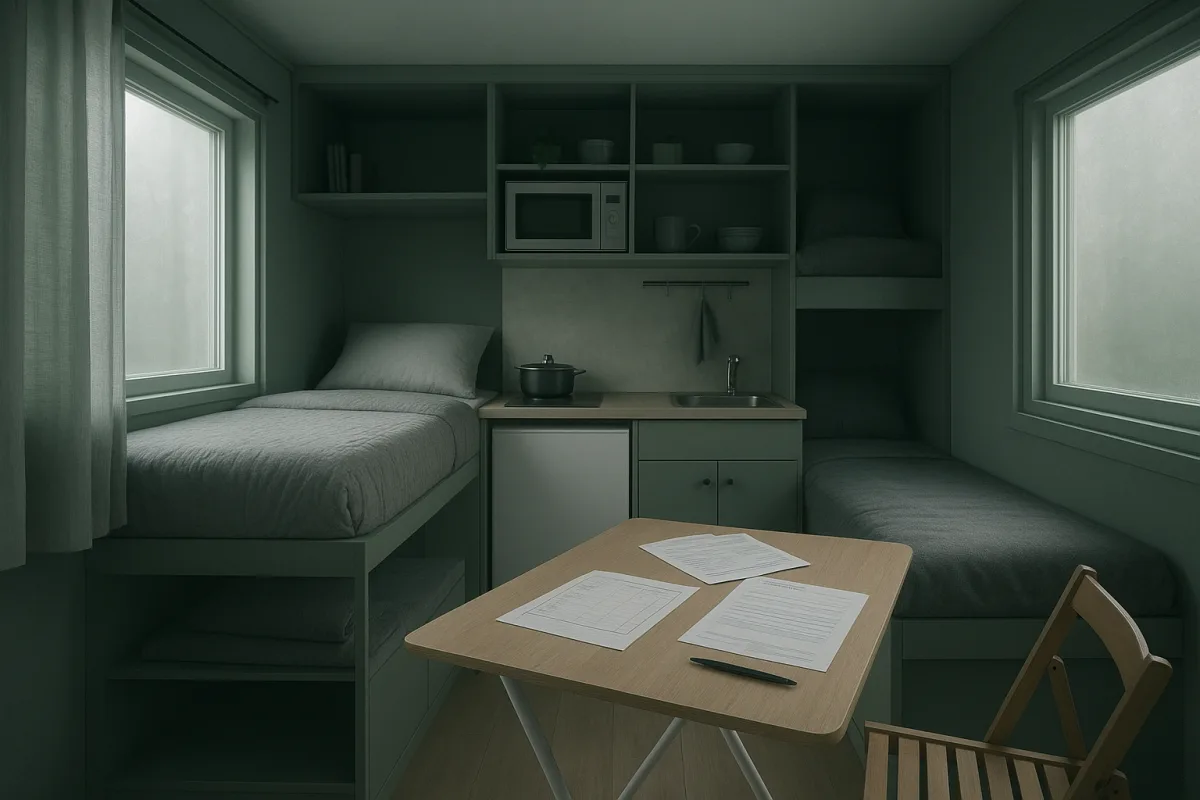
Tiny House Living After Major Life Changes: Planning & Costs
Explore tiny house living after major life changes with tips on budgeting, legal steps, and family-friendly design for a smooth transition.

Exploring Off-Grid Living: Richard's Tiny House Expedition in Arizona
Join Richard on Tiny House Expedition in Arizona as he showcases his off-grid lifestyle in a 32-ft tiny house powered by solar energy. Explore his sustainable properties, including an earthbag root cellar and a hyper Adobe home, embodying self-sufficiency and creativity.
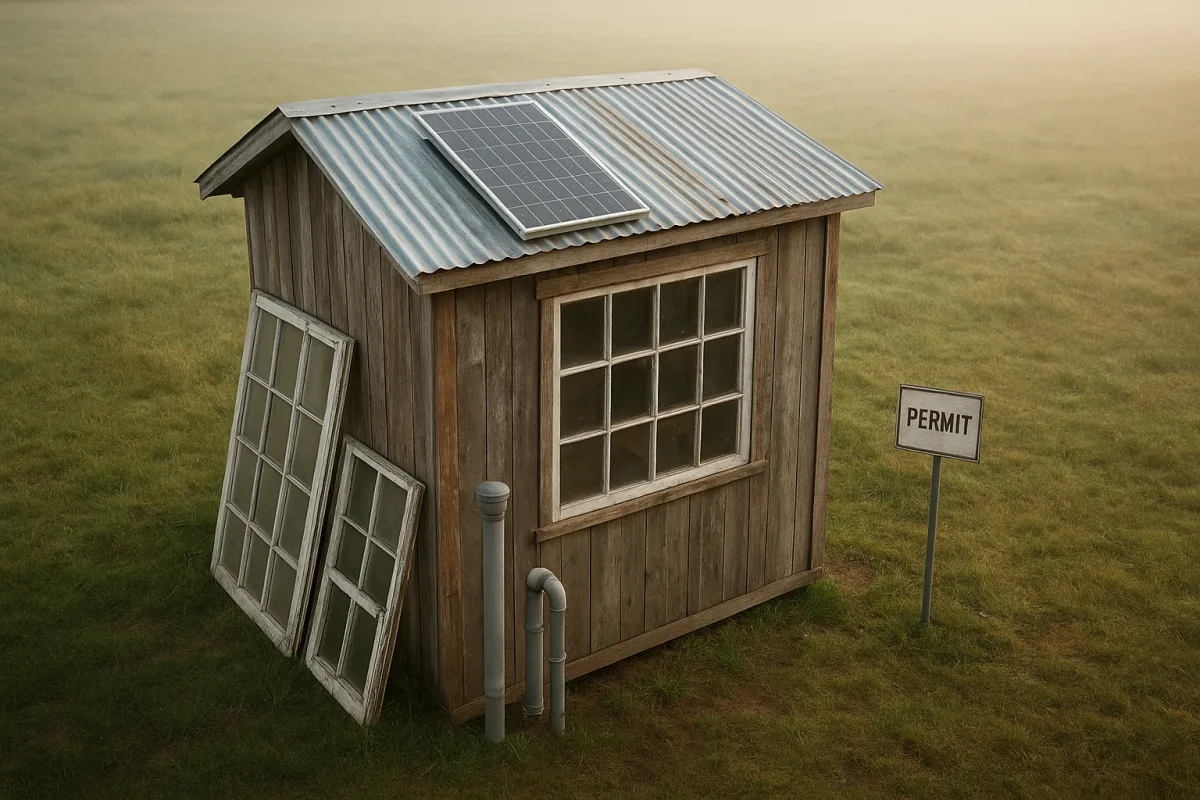
Creative Tiny House Builds and Personal Stories
Explore creative tiny house builds and personal stories, including shed conversions, scrap material use, costs, and legal tips for self-built homes.