DIY Tiny Home Builds: A Practical Budget Guide
Explore our guide on DIY tiny home builds, covering budgeting, permits, and practical tips for building on a budget.
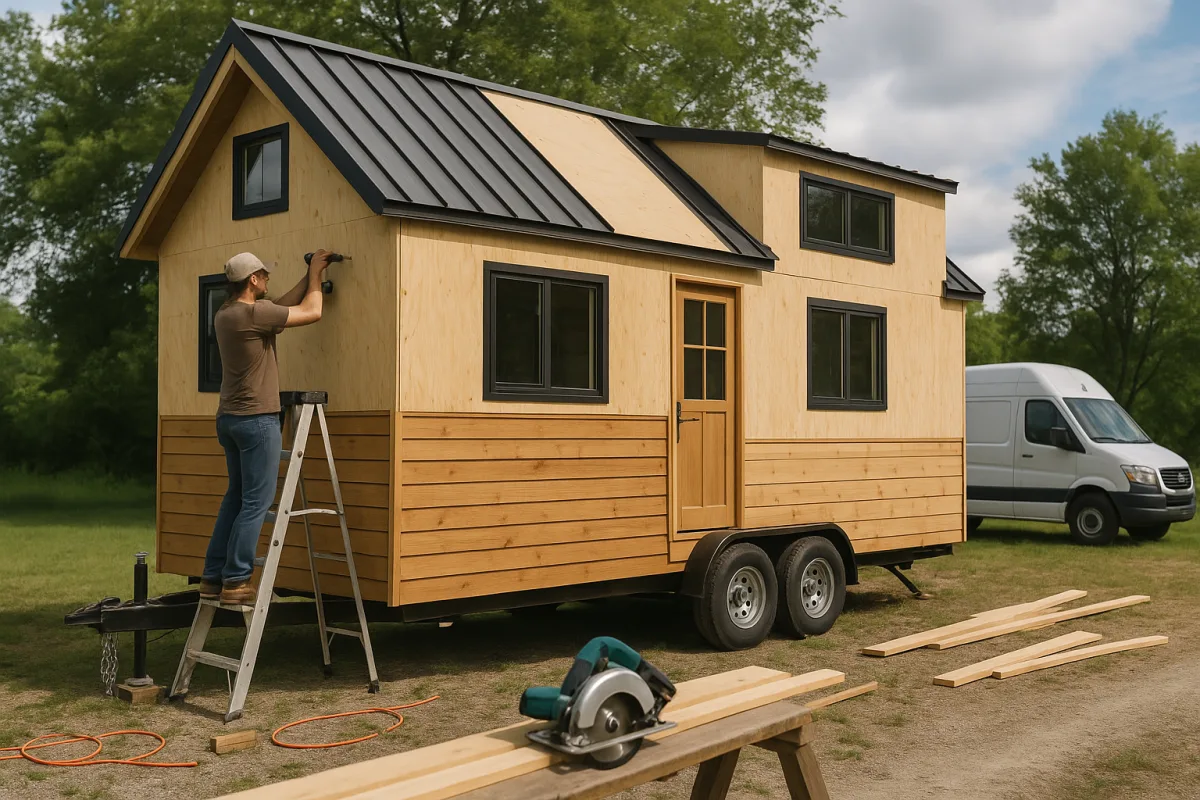
A Practical Guide to DIY Tiny Home Builds on a Budget
Building your own tiny home can be an incredibly rewarding experience, but it's not without its challenges. If you’re considering taking the plunge into DIY tiny home construction, there are several practical issues you'll face along the way. This guide is designed to help you navigate the process, grounded in real-world experiences from individuals who have successfully built their own tiny homes on a budget.
1. Finding the Right Shell
The first step in your DIY tiny home adventure is selecting a suitable shell. Many builders opt for shed shells or prefabricated kits because they provide the structure without the hefty price tag associated with a fully constructed tiny home. For instance, one builder started with an Amish shed shell measuring 12x20 feet, purchased for $8,800. This initial investment laid the groundwork for a total build cost that reached around $47,000, allowing for a full kitchen, bathroom, and living area (Tiny House Talk).
Recommendation:
- Research Local Options: Look for shed shells or kits in your area, keeping in mind that DIY shells typically range from $10,000 to $20,000 for smaller models (100-200 sq ft) and $25,000 to $35,000 for basic finished shells (150-250 sq ft). Make sure to factor in additional costs for materials, utilities, and permits, which can significantly increase your budget.
2. Understanding Zoning and Permitting
Before you start hammering nails, it's crucial to understand the regulations that govern tiny home construction in your area. Zoning laws can vary widely, with some jurisdictions enforcing minimum size requirements that could complicate your plans. For example, Ohio has a minimum dwelling size of 950 square feet, which may not be conducive to tiny house living.
Recommendation:
- Check Local Codes: Research local zoning laws and building codes before purchasing your land or shell. The cost of permits can be around $500, and you will likely need inspections at various stages of your build.
3. Budgeting for the Build
When budgeting for your tiny home, it's essential to break down the costs into manageable segments. Homeowners like Margo Fairchild managed to build their homes by treating the project as "a thousand tiny projects," which can alleviate the overwhelming feeling of tackling everything at once.
Typical Costs:
- Shell: $8,800 to $35,000.
- Interior Finishing: $15,000 to $25,000, depending on the level of finish.
- Plumbing: DIY plumbing costs can range from $1,000 to $7,000, while hiring a professional might run closer to $10,000 if issues arise, as experienced by one builder who faced a "pretty catastrophic" plumbing failure (Tiny House Talk).
- Utilities and Permitting: Plan for $500 for permits, plus additional costs for connecting to utilities.
Recommendation:
- Create a Detailed Budget: List all anticipated expenses, including shell, finishing, plumbing, and utilities. Always allocate a bit of extra cash for unexpected costs.
4. DIY Work: Skills and Learning
Many successful DIY builders started with little to no experience. For example, one builder was a stay-at-home mom who learned carpentry skills through mentorship and practice. This hands-on experience allowed her to tackle her tiny home build over several years.
Recommendation:
- Invest in Learning: Take advantage of free or affordable resources such as online tutorials, workshops, or community college classes. Join local DIY groups or forums to exchange tips and experiences with others who are on a similar journey.
5. Dealing with Utilities
Connecting your tiny home to water, electricity, and sewage can be one of the more challenging aspects of your build. While some builders opt for off-grid systems, others find it necessary to hook into local utilities. The cost of plumbing can be substantial, especially if you encounter issues requiring professional help.
Recommendation:
- Plan for Utilities Early: Decide whether you want to go off-grid or connect to municipal services. If you choose the latter, ensure you understand local utility regulations and costs involved. Off-grid plumbing systems can be installed for $200 to $2,500, depending on complexity.
6. Interior Design and Space Management
Once your shell is complete and utilities are connected, it’s time to focus on the interior. Effective space management is key in tiny homes. Many builders recommend using multi-functional furniture to maximize space, such as a dining booth that doubles as a workspace.
Recommendation:
- Emphasize Functionality: Choose furniture that serves multiple purposes and consider built-in storage solutions. For example, one tiny homeowner incorporated a full-size tub into her kitchen layout, which dictated the rest of her design (Tiny House Tours). Be creative with how you use your available space.
7. Living in Your Tiny Home
Once your tiny home is finished, living in it can come with its own set of challenges. For instance, one homeowner manages her living expenses effectively, paying around $500 monthly for utilities, while also joking that this includes doing her mother’s dishes (Tiny House Talk).
Recommendation:
- Adjust to Tiny Living: Be prepared for a lifestyle change. The transition from a larger space to a tiny home can be significant, especially in terms of how you manage daily tasks and your belongings. Start small and gradually adapt to your new way of living.
8. Future Considerations
Many tiny home builders view their builds as stepping stones toward larger dreams, whether it’s buying land or creating a mini-homestead.
Recommendation:
- Plan for the Long Term: Consider how your tiny home fits into your future plans. Whether it’s a temporary solution or a permanent lifestyle choice, keep your goals in mind as you build and live in your tiny home.
Conclusion
Building a DIY tiny home is undoubtedly a journey filled with challenges and learning experiences. However, by approaching the project with careful planning, a realistic budget, and a willingness to learn, you can create a space that suits your needs and lifestyle. Remember, it’s about creating a home that feels right for you, even if it takes time and effort to get there.
By learning from others who have successfully navigated the tiny home landscape, you can avoid common pitfalls and make your DIY tiny home build a rewarding venture.
Frequently Asked Questions
What are the steps to build a DIY tiny home?
The first step is selecting a suitable shell, such as a shed shell or prefabricated kit. Next, you need to understand local zoning laws and obtain necessary permits. After that, budget for the build, including costs for the shell, interior finishing, plumbing, and utilities, before proceeding with construction.
How can I budget for a DIY tiny home build?
When budgeting for a tiny home, break down costs into manageable segments, including the shell, interior finishing, plumbing, and permits. It's recommended to create a detailed budget that lists all anticipated expenses and to allocate extra funds for unexpected costs.
What permits do I need for a DIY tiny house?
Permits required for a DIY tiny house vary by location and depend on local zoning laws and building codes. Generally, you should plan for around $500 in permit costs and be prepared for inspections at various stages of your build.
How do I choose the right shell for my tiny home?
Choosing the right shell involves researching local options, such as shed shells or prefabricated kits, which can range in price from $10,000 to $35,000 depending on size and finish. Consider your budget and the specific needs of your build when selecting a shell.
Sources
At 21, He Quit Paying Rent & Turned a Shed into a Legal Tiny Home, Tiny House Giant Journey
She Built Her Own Tiny House Out of Scrap Wood | Perfectly Imperfect, Tiny House Expedition
She Turned a $8,800 Shed Shell Into a $47K Tiny House With a Full-Size Tub, Tiny House Talk
BoxHouse Duplex: A 380 Sq. Ft. Foldable Home That Unfolds Into Two Units in a Day, Tiny House Talk
Cost to Build a Tiny Home: DIY, Prefab, and Hidden Fees - LegalClarity
Tiny House Market Size and Industry Statistics 2026 - tinyhousel.com
Big Risks Builders Should Know About Tiny Home Construction and Security
Land and permits often cost more than the tiny house itself in 2026 | Prism News
Cost to Build a Tiny Home in 2026, HouseBuildCalc | HouseBuildCalc
Tiny House Legal States 2026: Where Tiny Homes Are Allowed & Restricted - tinyhousel.com
Do Tiny Homes Depreciate or Hold Their Value? - LegalClarity
Why Tiny Home Prices Are DROPPING While Demand Explodes, 2026 Market Data Breakdown
Tiny Home Cost in 2026: What You'll Really Pay to Build or Buy | Shelter Insider
Watch DIY Tiny Home Builds on Youtube
Also from the sources
Related Articles
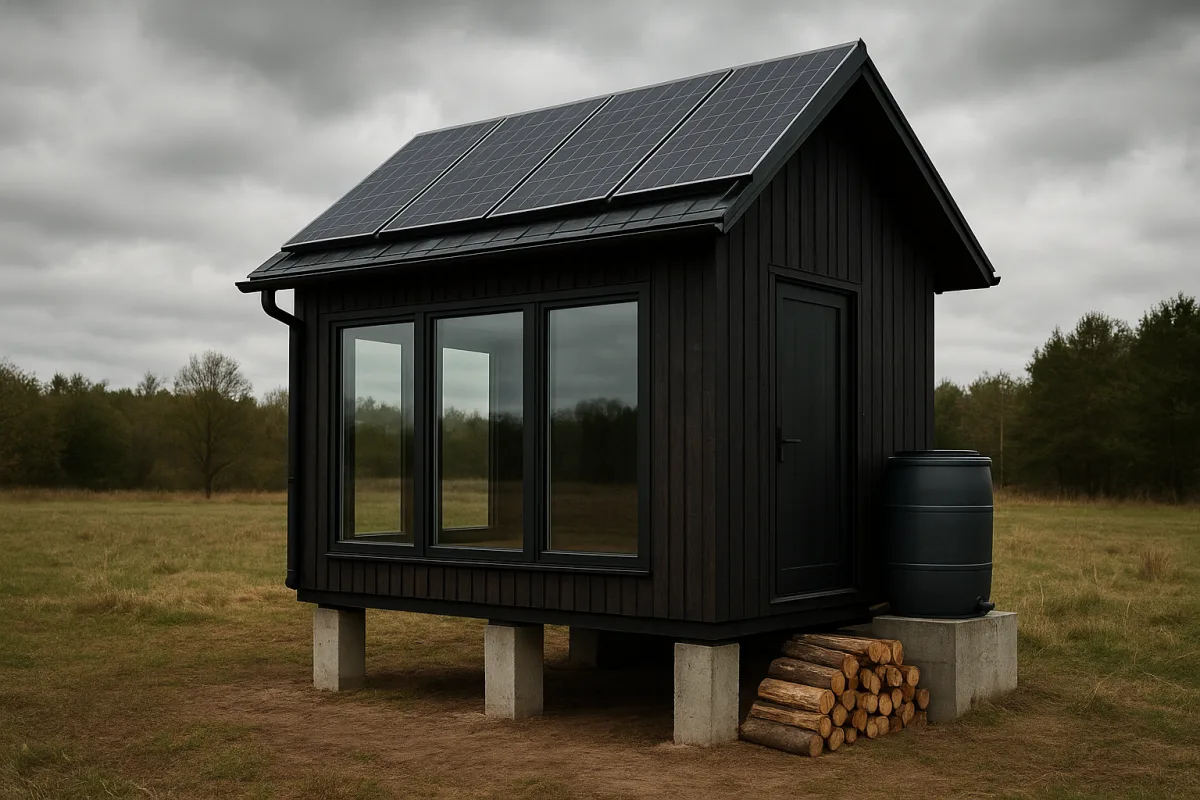
Affordable Off-Grid Tiny Homes
Explore affordable off-grid tiny homes with DIY builds, costs, tech, and real examples for practical, budget-friendly living in 2026.
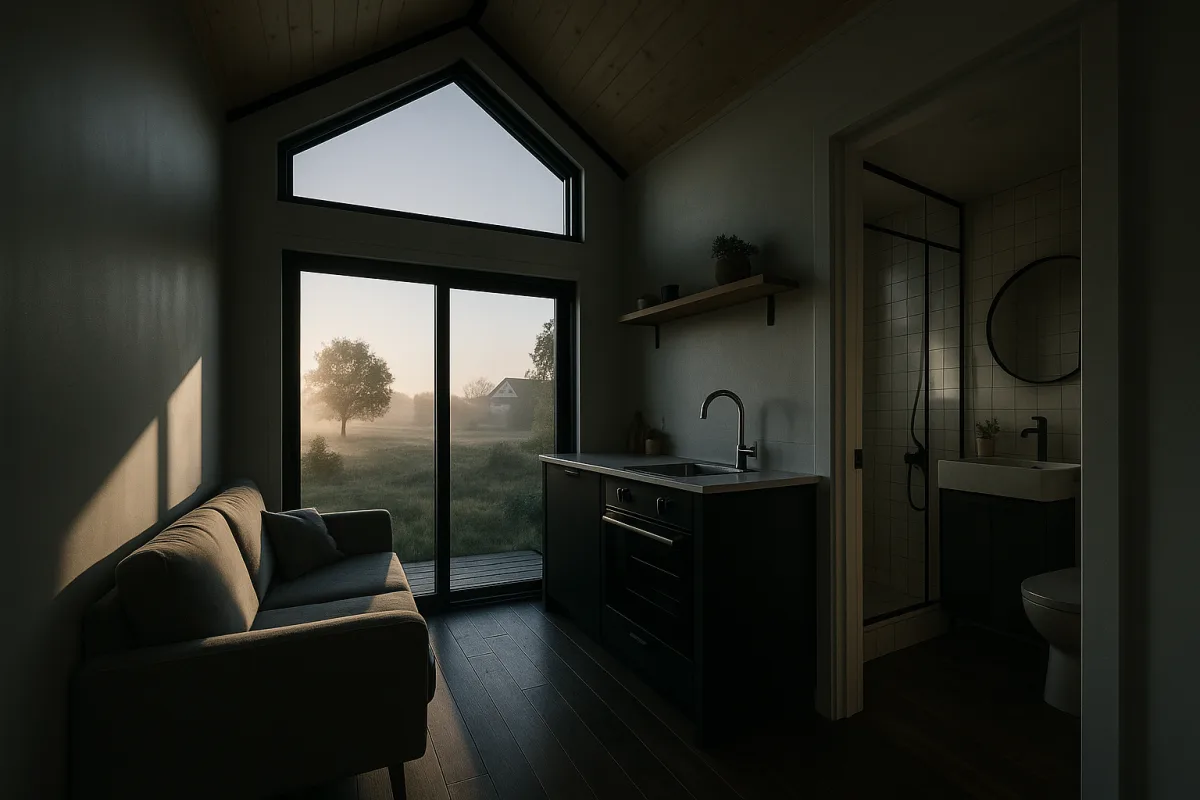
DIY Affordable Tiny Homes: Build Your Own Budget-Friendly
Explore DIY affordable tiny homes with tips on materials, costs, and designs for building your own budget-friendly living space.
Affordable Prefab Tiny Homes Under 100K
Explore affordable prefab tiny homes under 100K with cost breakdowns, kit options, and legal considerations to help you choose the right small home.
Creative Tiny House Builds and Personal Stories
Explore creative tiny house builds and personal stories, including shed conversions, scrap material use, costs, and legal tips for self-built homes.